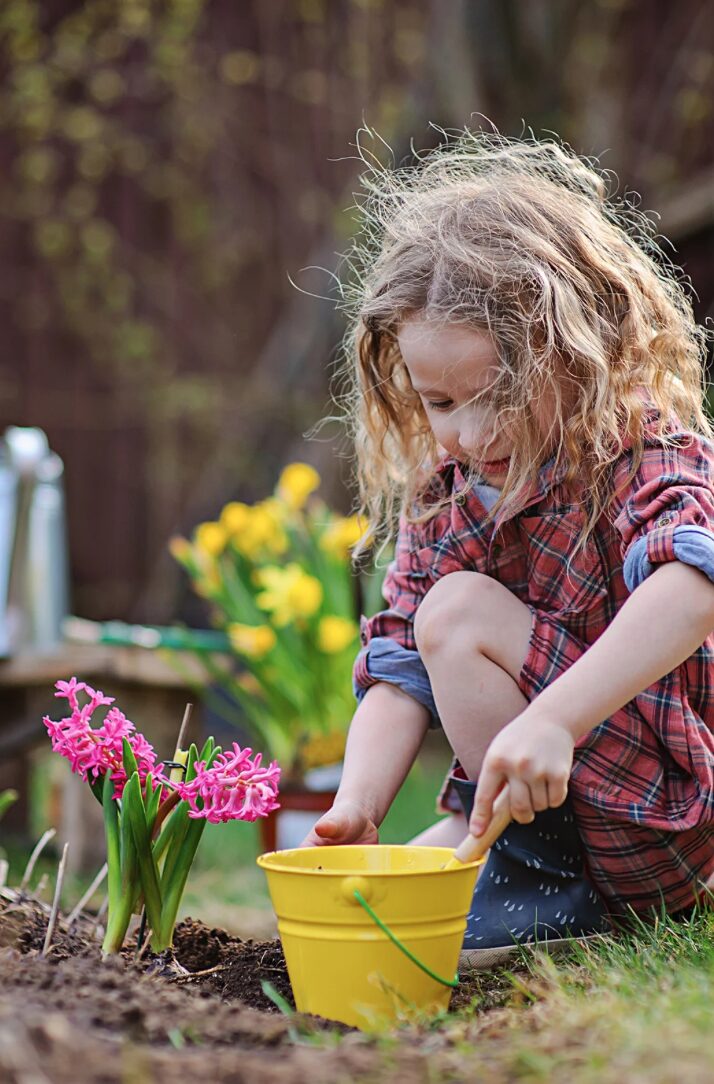
Spring is a beautiful season for children 🌸. Nature wakes up, colors return, and every walk outside becomes an opportunity to learn, explore, and connect with the world around them.
By combining Montessori principles with nature-based learning, you can offer your child meaningful, calm, and enriching activities that respect their natural rhythm and curiosity.
In this article, I’m sharing 5 Montessori spring activities designed for children aged 1 to 5, all focused on sensory exploration, autonomy, and a gentle connection to nature.
Why combine Montessori and nature-based learning?
The Montessori approach is built on hands-on learning, independence, and respect for the child’s pace.
Nature-based learning, on the other hand, encourages children to learn directly from the real world—by observing, touching, smelling, and experiencing nature.
When combined, these two approaches create:
- A calm and respectful learning environment
- Meaningful real-life experiences
- Strong emotional and sensory connections
- A deep respect for the natural world
That’s why Montessori spring activities inspired by nature-based learning are so powerful 🌱
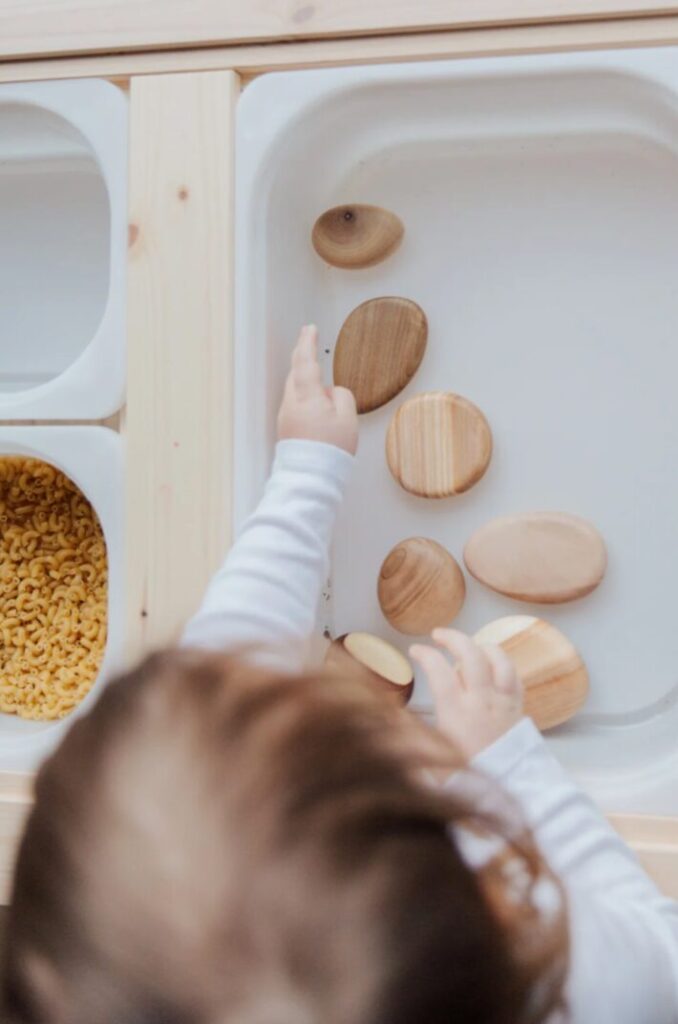
1. Spring sensory bin: exploring nature through the senses (Ages 1–5)
Sensory bins are a classic Montessori activity and a perfect way to support nature-based learning in spring.
Suggested materials:
- Soil, sand, or colored rice
- Natural or artificial flowers
- Small insect figurines
- Spoons, bowls, clothespins
Benefits for your child:
- Sensory development
- Fine motor skills
- Focus and concentration
- Calm, independent play
💡 Montessori tip: allow your child to explore freely, without instructions. Observation is already learning.
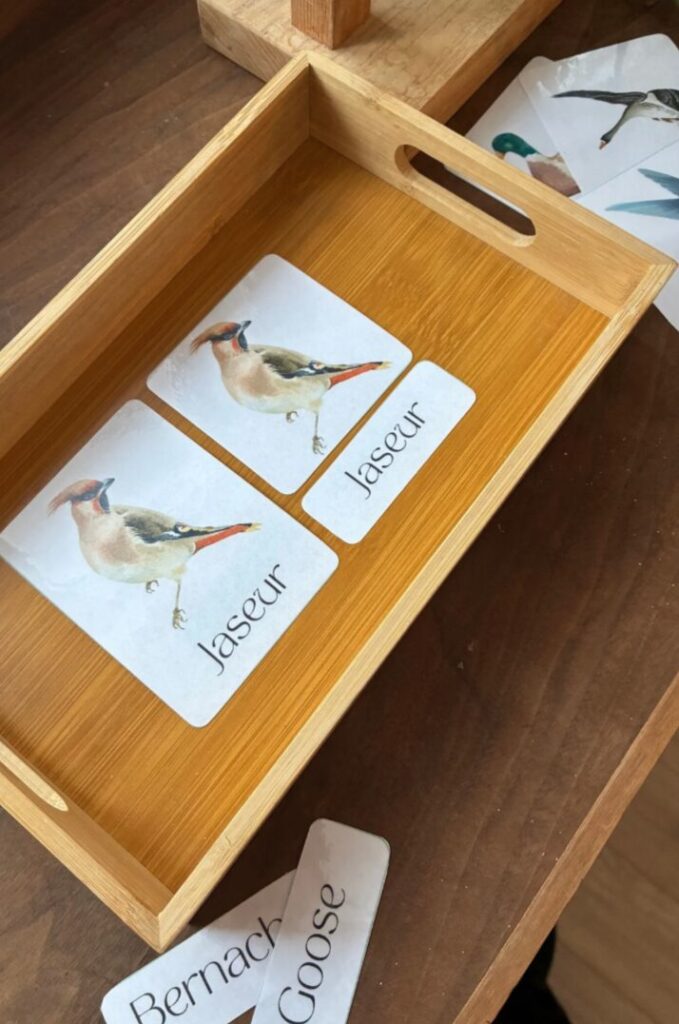
2. Build vocabulary with Montessori 3-part nature cards (Ages 2–5)
Montessori 3-part cards are wonderful tools for developing language and classification skills—especially when they are connected to nature.
In spring, children can learn to name:
- Flowers
- Insects
- Animals
- Weather elements
That’s exactly why I created my Nature-Based Montessori 3-Part Cards, inspired by both Montessori principles and nature learning 🌼.
👉 Your Montessori 3-part nature cards
Skills developed:
- Vocabulary and language
- Visual memory
- Logical thinking
- Independent learning
These Montessori spring activities are perfect for calm moments at home or in early learning settings.
3. Seed transferring activity: fine motor skills & life cycles (Ages 1–4)
Transferring activities are a Montessori staple. In spring, they become even more meaningful when connected to nature.
Materials:
- Seeds, lentils, or chickpeas
- Small containers
- Spoon or child-safe tongs
👉 Montessori tongs for toddlers (the best)
🌱 Nature-based bonus: plant the seeds afterward so your child can observe growth and understand life cycles.
4. Nature puzzles and classification activities (Ages 2–5)
Puzzles and sorting activities are excellent Montessori spring activities that help children organize information while staying connected to the natural world.
Activity ideas:
- Flower or animal puzzles
- Sorting insects vs plants
- Classifying by color or size
Learning goals:
- Cognitive development
- Observation skills
- Problem-solving
5. Nature observation and spring journal (Ages 3–5)
This activity is at the heart of nature-based learning. It encourages children to slow down, observe, and build a respectful relationship with nature.
How to do it:
- Go for a walk
- Observe flowers, insects, trees
- Draw or describe what your child sees
You can also use Montessori nature cards to help identify and name what you observe together.
Final thoughts
Montessori spring activities inspired by nature-based learning offer children more than academic skills—they foster curiosity, confidence, and a deep connection to the living world 🌿
You don’t need complicated materials or rigid schedules. With simple tools, thoughtful intention, and a love for nature, you can create a nurturing learning environment where your child can truly thrive.


Leave a Reply