-
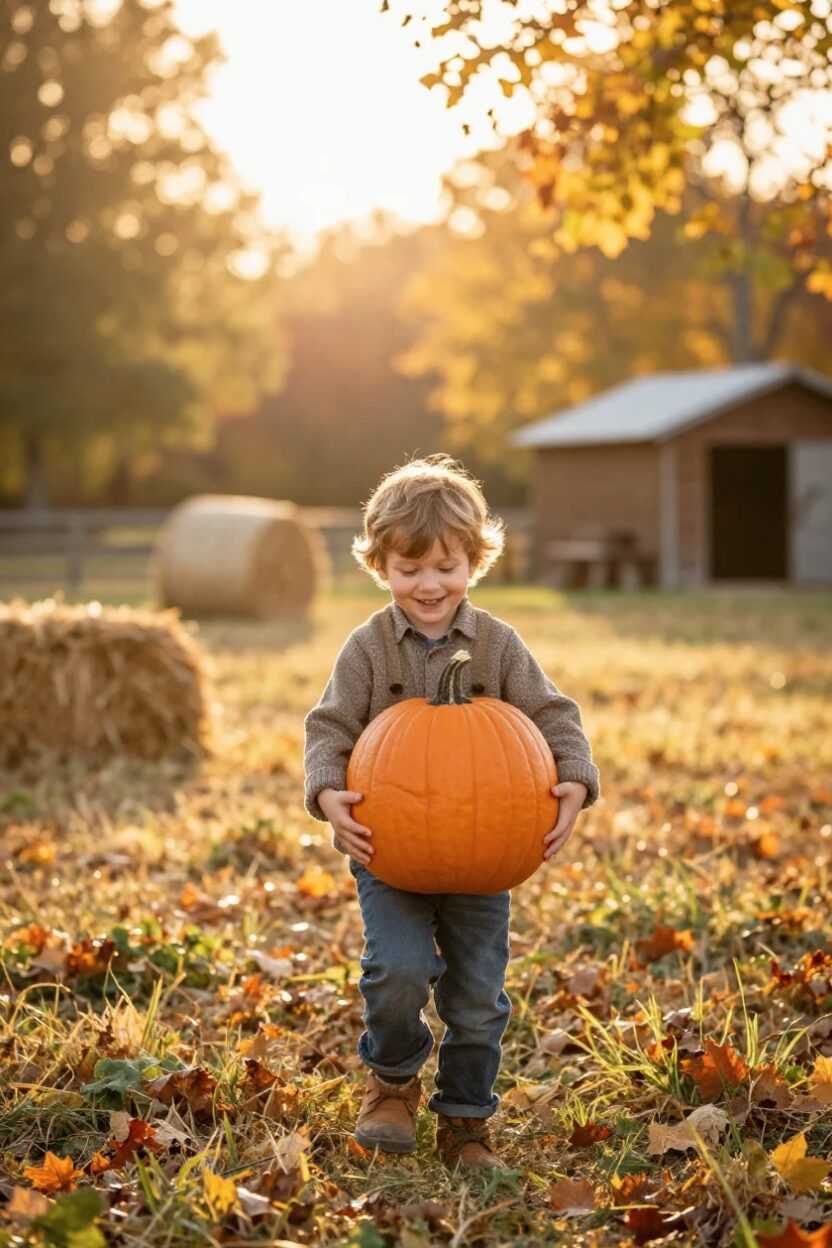
Pumpkin Unit Study for Preschool and Kindergarten Fall is the perfect season for exploring nature with young children, and pumpkins offer endless opportunities for hands-on learning. From observing a pumpkin patch to discovering what is hidden inside a pumpkin, children are naturally curious about these colorful autumn fruits. A pumpkin unit study is a wonderful…
-
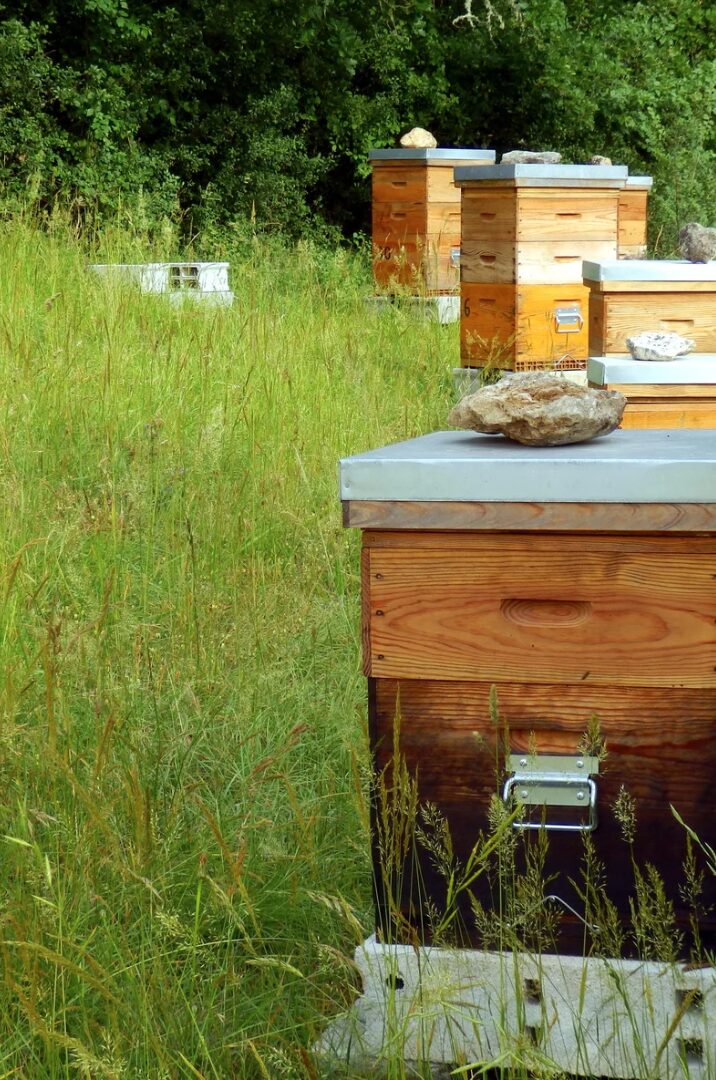
Teaching children about bees through nature study helps them understand pollination, ecosystems, and the importance of insects in a hands-on way. Using observation, printables, and simple activities makes learning more engaging and memorable. A bee-themed nature study bundle can help organize lessons while keeping learning playful and child-led. Many children are fascinated by bees—but they…
-
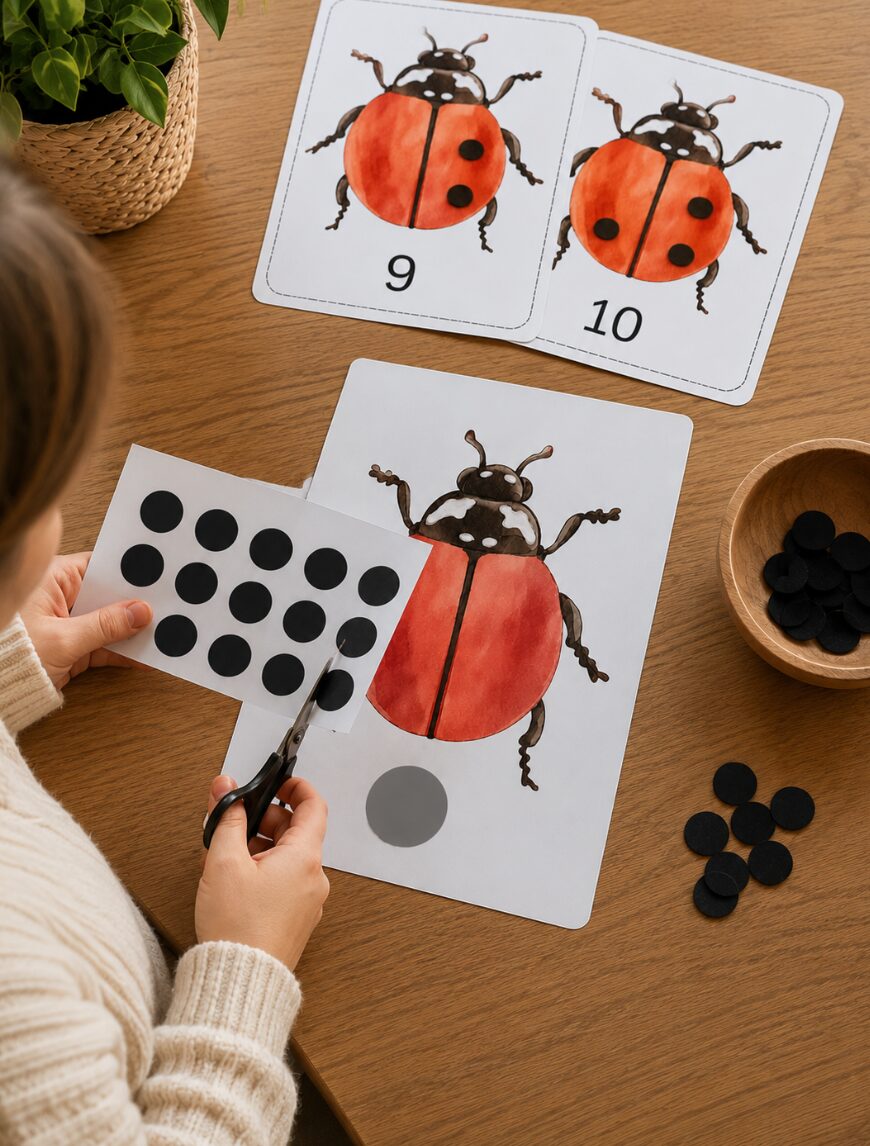
Summer is the perfect time to bring learning outdoors and make early math activities feel playful, hands-on, and connected to nature. Simple counting activities inspired by gardens, insects, fruits, and summer themes can help toddlers and preschoolers practice important early math skills while having fun. Montessori-inspired activities encourage children to explore at their own pace…
-

Using Montessori 3-part cards (also called nomenclature cards) at home is simple when you start with a few cards, focus on matching and naming, and let your child explore independently. These hands-on materials help children build vocabulary, observation skills, and early reading abilities through repetition and visual learning. You’ve probably seen Montessori cards online… beautiful,…
-
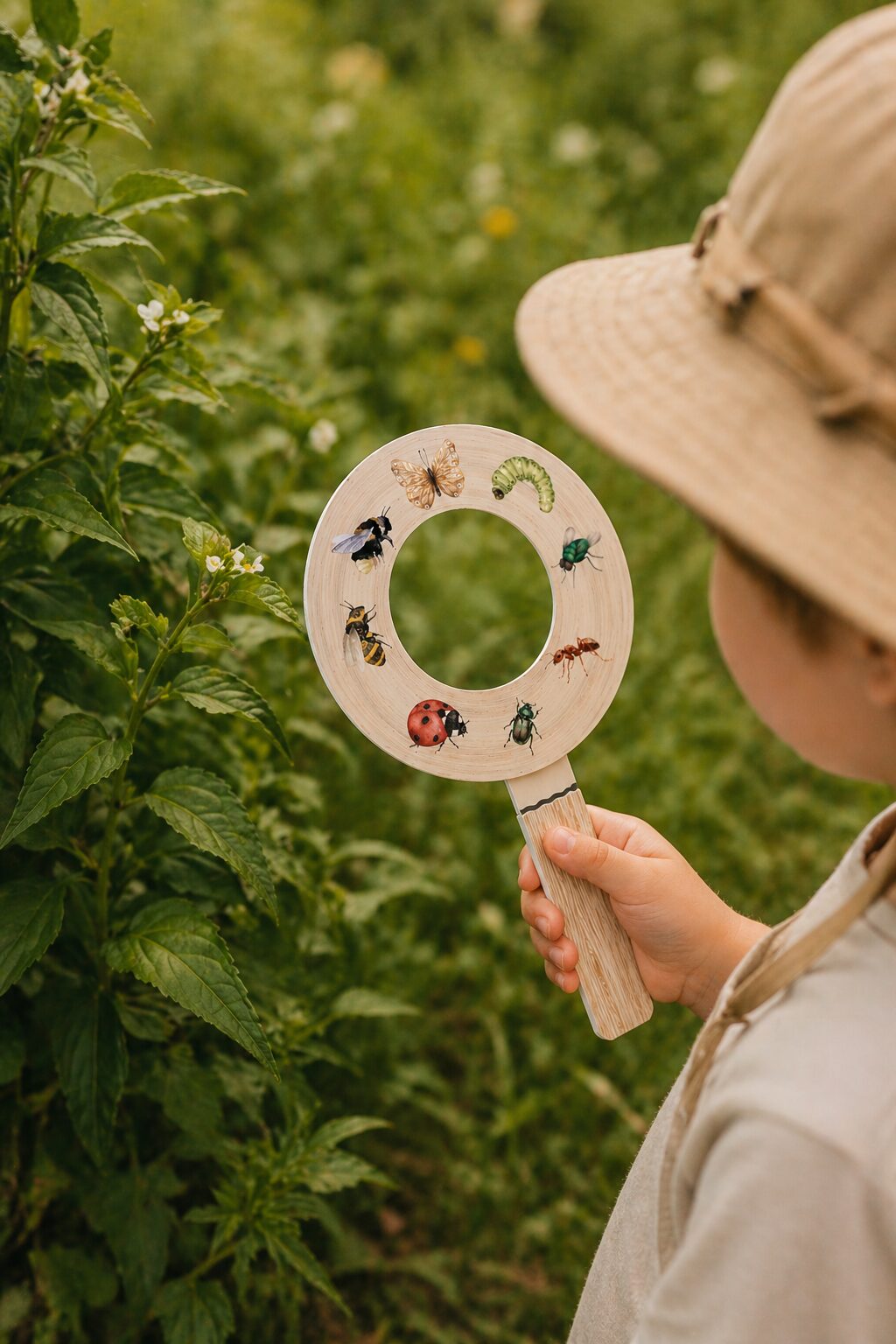
Introducing a child to nature from age 2 is easiest when you focus on simple, sensory experiences like observing, touching, and exploring outdoors. Short, regular outings combined with visual tools help build curiosity and connection with the natural world. Using child-friendly cards (like birds or insects) can guide learning in a playful and engaging way.…
-
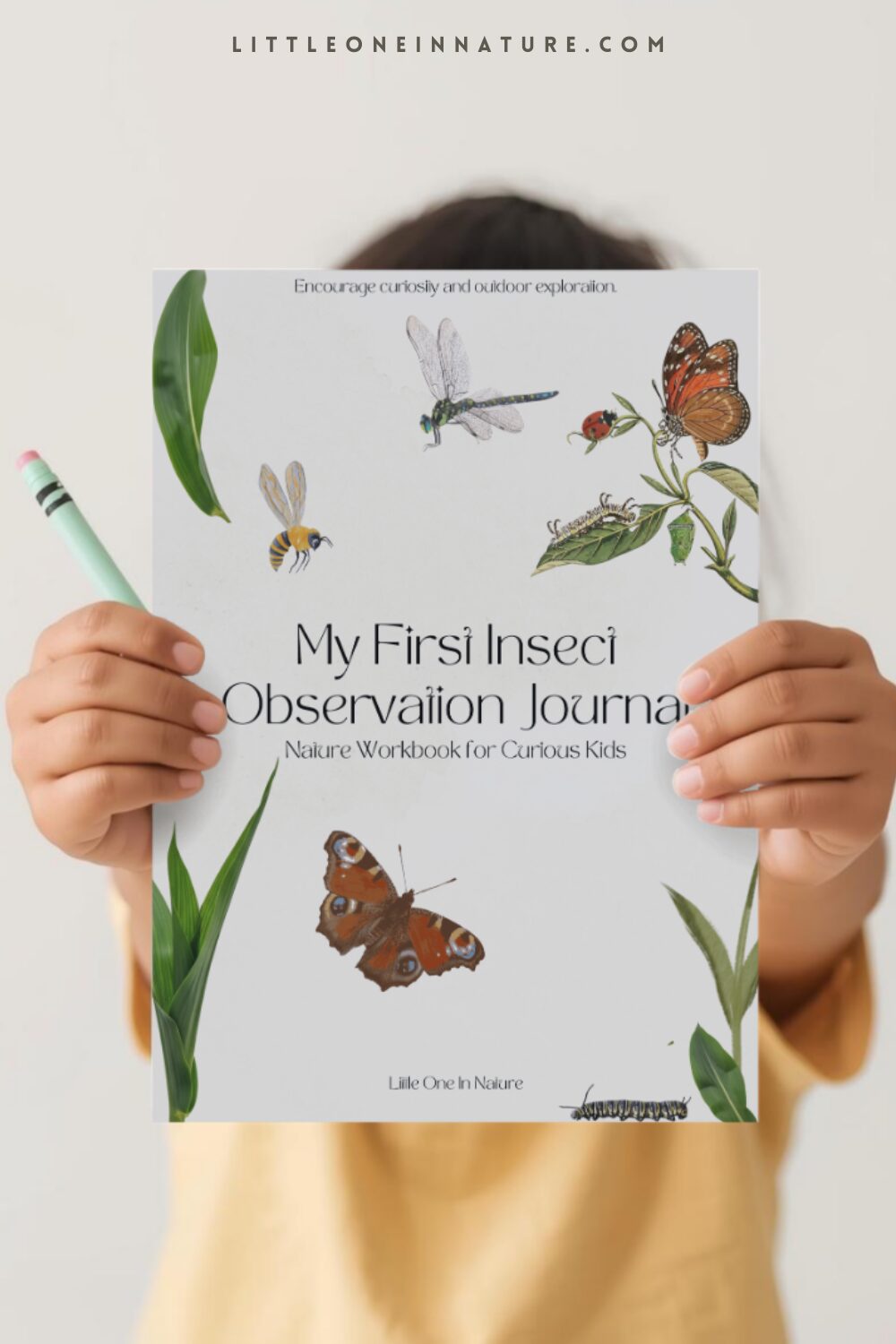
Exploring insects with kids is easiest when you combine outdoor observation with simple, guided activities. By encouraging children to watch, draw, and document what they see, you help them develop curiosity and scientific thinking. A structured observation journal can make the experience more engaging and meaningful. If your child is fascinated by bugs, or even…
-

Teaching the plant life cycle to a child is easiest when you combine simple explanations with hands-on activities. Using visuals, repetition, and real-life examples like planting seeds helps children understand each stage. Montessori-inspired tools and printables can make learning more engaging and independent. If you’ve ever tried to explain how plants grow to a young…
-
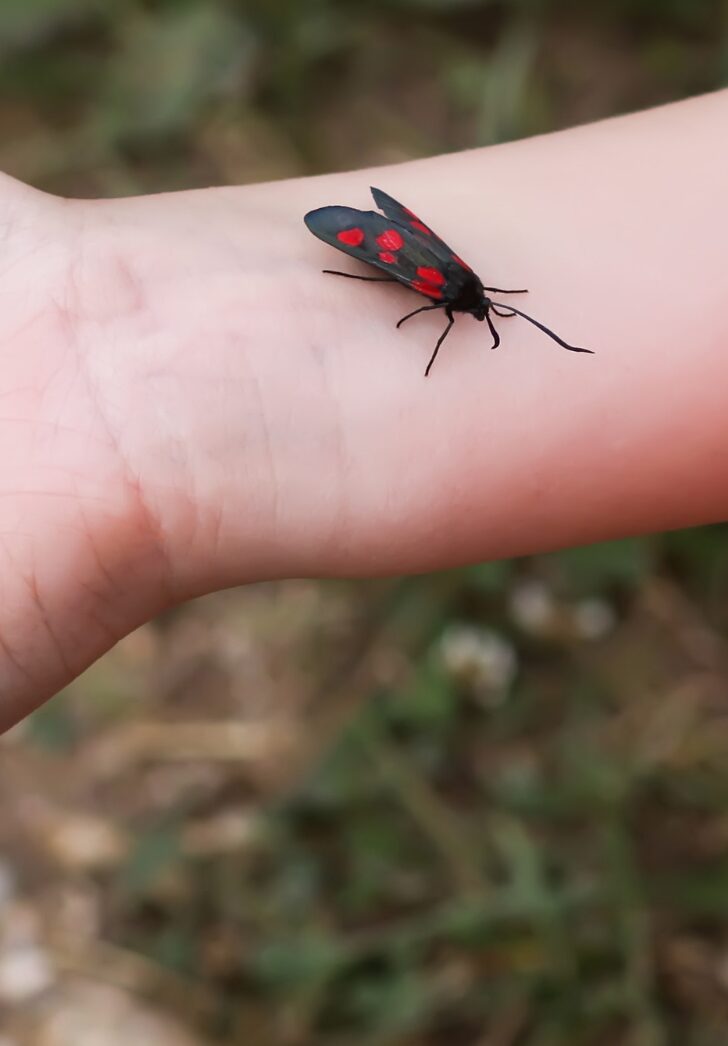
Insects are one of the most fascinating discoveries for young children. Whether it’s a ladybug crawling on a leaf or a butterfly flying through the garden, insects naturally capture children’s curiosity and invite them to observe the world more closely. Spring and summer are perfect seasons to explore insects through simple nature-based learning activities. With…
-

Spring is a wonderful time to explore the natural world with young children.As flowers begin to bloom and insects return to the garden, toddlers and preschoolers become naturally curious about what they see outside. Simple nature-based activities can help children develop observation skills, vocabulary, and a deeper connection with the world around them. The good…
-

Spring can feel confusing — even for adults. One day the sun feels warm on your face, the next day it’s raining, windy, or suddenly cold again. For young children, these changes are not just noticeable… they’re fascinating. If you live with a toddler or preschooler, you’ve probably heard questions like “Why is it raining?”,…

