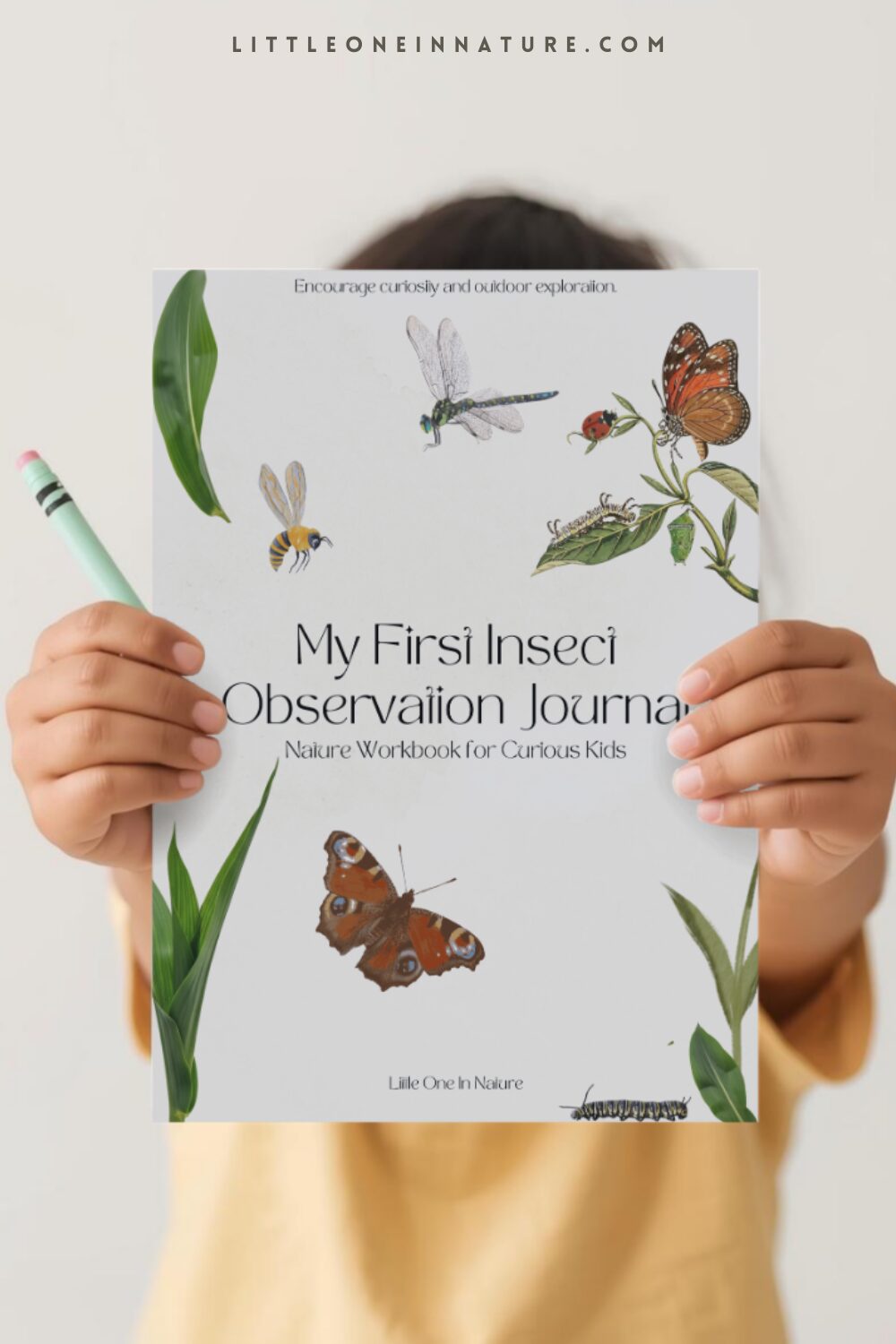
Exploring insects with kids is easiest when you combine outdoor observation with simple, guided activities. By encouraging children to watch, draw, and document what they see, you help them develop curiosity and scientific thinking. A structured observation journal can make the experience more engaging and meaningful.
If your child is fascinated by bugs, or even a little scared of them, you’re not alone. Insects are everywhere, yet they often go unnoticed or misunderstood. As a parent, you might wonder how to turn this everyday exposure into something educational instead of just “don’t touch that!”
The truth is, insects offer one of the best opportunities for hands-on learning in nature. They’re easy to find, constantly moving, and incredibly diverse. With just a little guidance, you can transform a simple walk outside into a rich learning experience.
In this article, you’ll discover simple, engaging insect activities that help your child learn by observing the world around them—no complicated setup required.
Why Learning About Insects Matters
Insects are a perfect introduction to science for young children. They’re small, accessible, and full of surprises.
Here’s why observing insects is so valuable:
- 🔍 Develops observation skills – Kids learn to notice details like movement, color, and shape
- 🧠 Encourages curiosity – Children naturally ask questions about what they see
- 🌍 Builds connection with nature – Helps kids appreciate living things
- ✍️ Supports early writing and drawing – Recording observations strengthens expression
- 🐜 Reduces fear of bugs – Understanding leads to confidence
Learning through observation also aligns with Montessori principles: children learn best by doing and exploring independently.
Step-by-Step Guide to Insect Observation Activities
Step 1: Go Outside and Explore
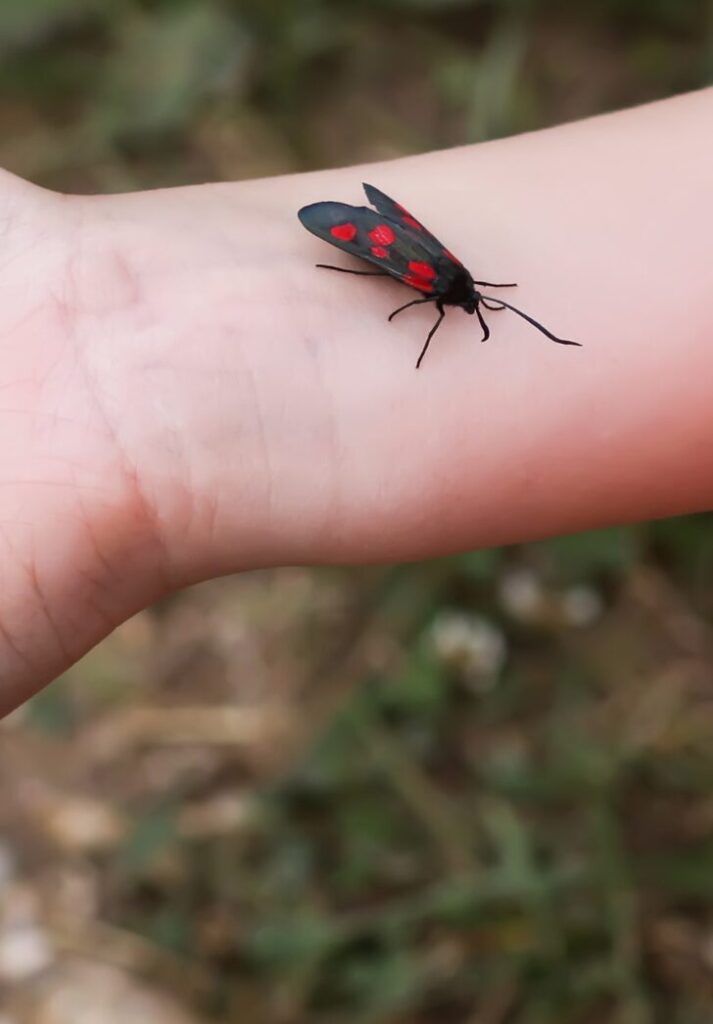
You don’t need a special place—your backyard, a park, or even a sidewalk works.
Encourage your child to look for:
- Ants
- Butterflies
- Beetles
- Spiders
Let them lead the exploration.
Step 2: Observe Without Touching
Teach your child to watch insects carefully without disturbing them.
Ask simple questions:
- “What is it doing?”
- “How does it move?”
- “Where is it going?”
This builds patience and respect for nature.
Step 3: Focus on One Insect at a Time
Instead of rushing, choose one insect and observe it for a few minutes.
Encourage your child to notice:
- Size
- Color
- Number of legs
- Movement
This helps deepen attention and understanding.
Step 4: Draw What You See ✏️
After observing, ask your child to draw the insect.
It doesn’t have to be perfect—what matters is:
- Looking closely
- Remembering details
- Expressing observations
Drawing reinforces learning in a natural way.
Step 5: Record Observations in a Journal
This is where the learning becomes powerful.
A simple insect observation journal allows your child to:
- Draw insects
- Describe what they saw
- Track different discoveries
- Build a habit of observation
👉 If you want a ready-to-use solution, I created a printable insect observation journal designed for young children. It guides them step by step while keeping the activity fun and simple.
Step 6: Repeat Regularly
The more your child observes, the more they learn.
- Go outside a few times per week
- Look for new insects
- Revisit the same places
Learning happens through repetition and routine.
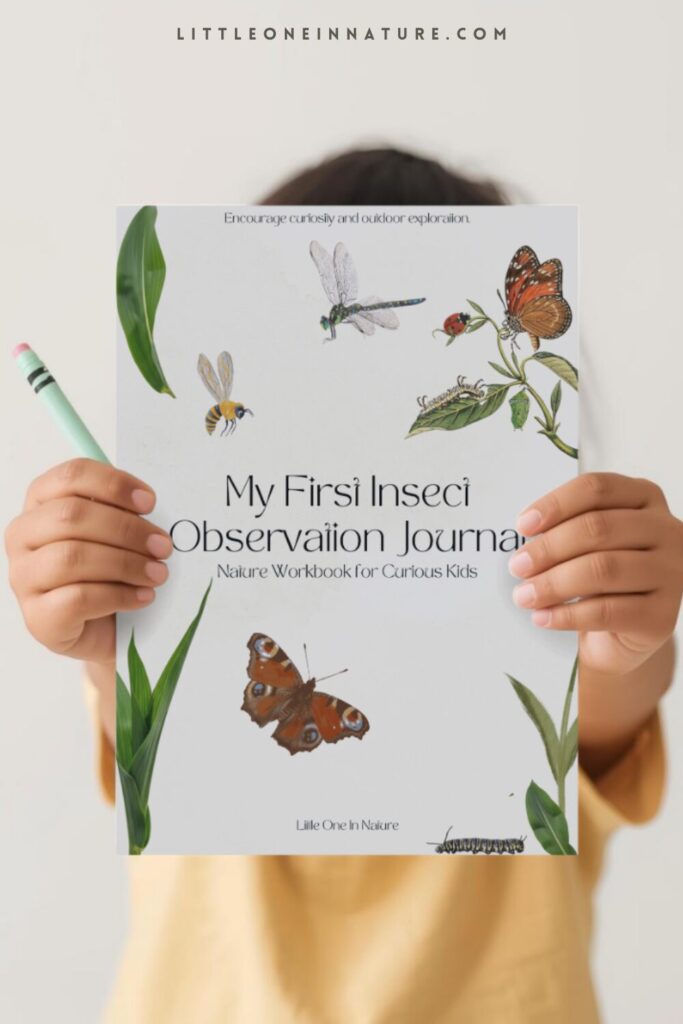
To make this activity easier and more structured, you can use a printable insect observation journal.
It helps your child:
- Stay focused
- Know what to look for
- Build a consistent learning habit
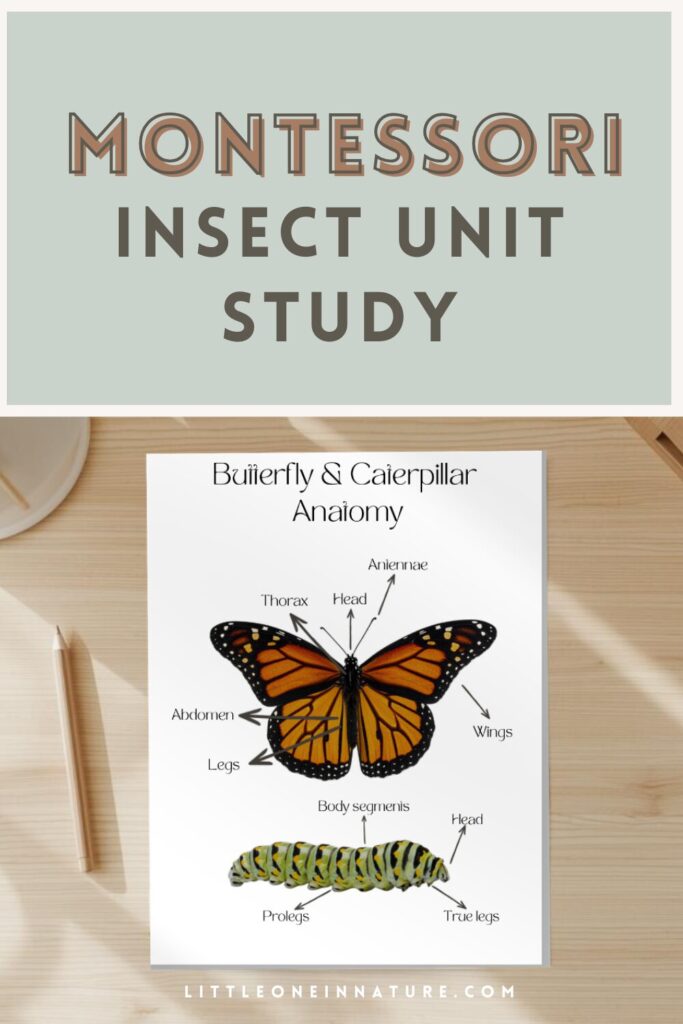
👉 You can find this journal in your Etsy shop Little One in Nature. It’s perfect for preschoolers and early learners who love nature and discovery. And if you want even more (even More quiet time), you can click here and see our Insect Unit Study!
Bonus Section – Tips & Mistakes to Avoid
✔️ Tips for Success
- Keep sessions short (10–20 minutes)
- Let your child lead the exploration
- Celebrate every discovery
- Use simple language
❌ Common Mistakes
- Forcing the activity
- Giving too much information at once
- Expecting perfect drawings
- Rushing observations
The goal is exploration, not perfection
📌 FAQ – Insect Activities for Kids
At what age can children start observing insects?
Children can start as early as age 2–3 with simple observation and guidance (mine was 18 months).
What if my child is scared of insects?
Begin by observing from a distance, focusing on calm, non-threatening insects such as butterflies. You can also start with the activity pack, which introduces them through pictures.
How long should an observation session last?
Keep it short—10 to 20 minutes is ideal for young children.
Do I need special tools?
No. Just curiosity! A journal can help structure the activity.
How often should we do this activity?
2–3 times per week is perfect for building consistency.
Insect activities are a simple and powerful way to teach children about nature. With just a bit of curiosity and regular observation, your child can develop important skills while having fun outdoors.
Keep it simple, follow your child’s lead, and turn everyday moments into meaningful learning experiences.
Want more nature time?
This is your next step!


Leave a Reply