If you’re a parent, you’ve probably felt it.
The toys piling up.
The noise.
The clutter.
The feeling that your child has so much… yet still seems bored.
Many parents reach a moment where they wonder:
How can my child have all these toys and still not really play?
The answer is often simpler — and more uncomfortable — than we expect.
In many cases, children don’t need more toys.
They need less.
When too many toys become overwhelming
Children’s brains are still developing.
When they are surrounded by too many options, too many sounds, too many flashing lights, their nervous system has to work harder just to process what’s around them.
Instead of diving deeply into play, they jump quickly from one toy to another.
Not because they’re ungrateful or distracted — but because their environment is overstimulating.
For parents, this often shows up as:
- short attention spans
- toys being dumped instead of played with
- frustration or agitation during playtime
- constant requests for “something else”
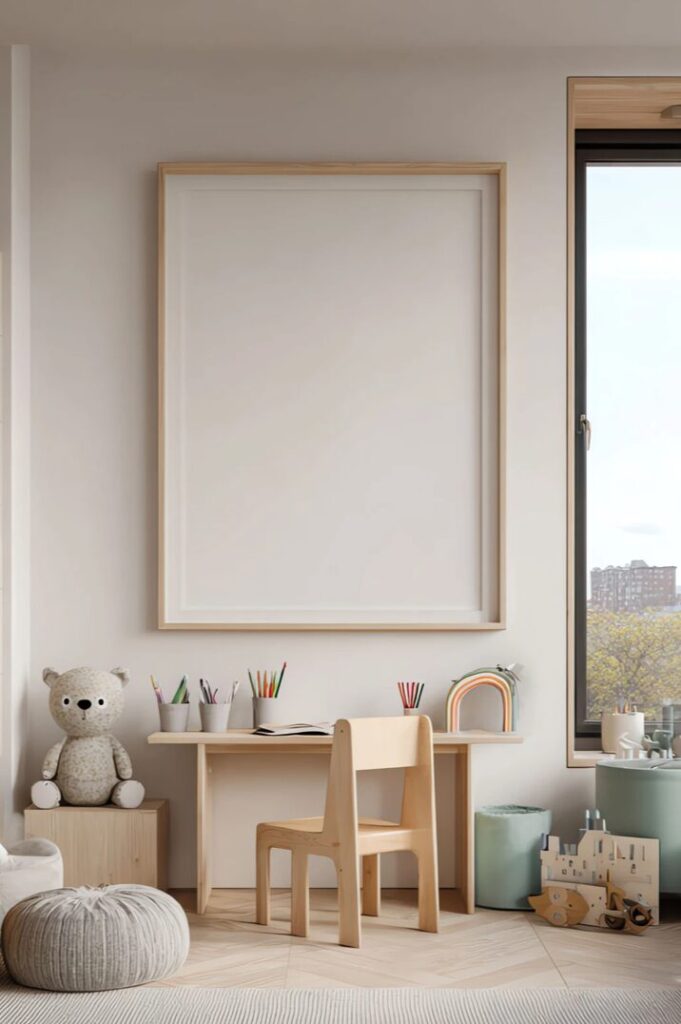
Less toys create a calmer space.
And calm is where meaningful play begins.
Why fewer toys lead to better play
When children have fewer toys available, something beautiful happens.
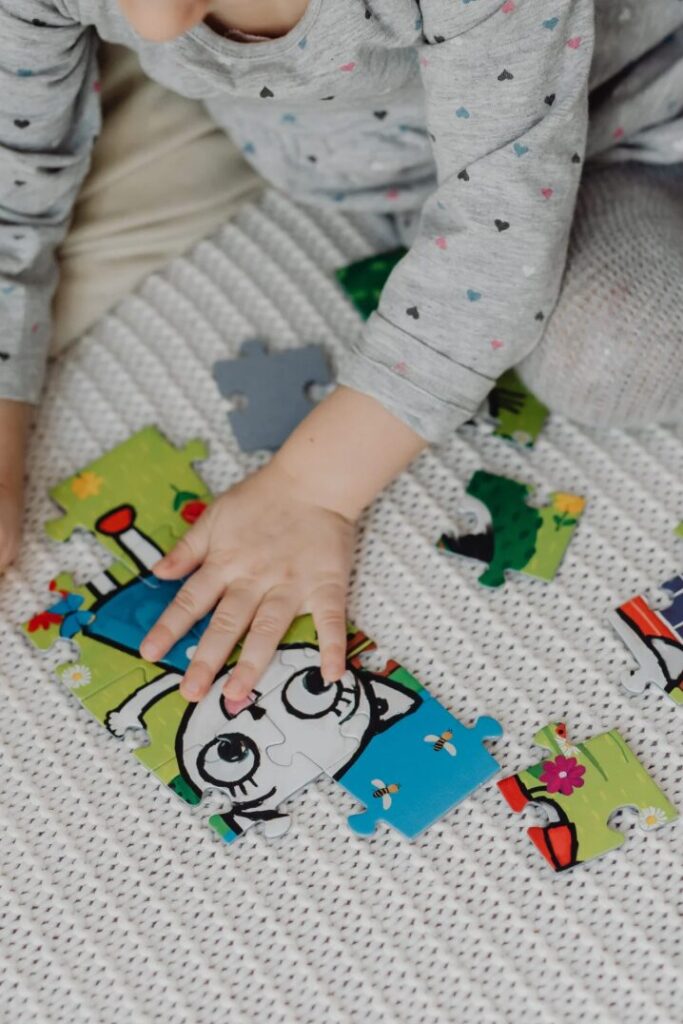
They stay longer with one object.
They explore it more deeply.
They invent stories.
They repeat actions.
This kind of play builds:
- concentration
- creativity
- problem‑solving skills
- emotional regulation
Instead of being entertained, children become active participants in their play.
They don’t need constant novelty.
They need time and space.
The power of open‑ended toys
Not all toys are equal.
Some toys tell children exactly what to do.
Push this button.
Follow this rule.
Watch the lights.
Other toys leave space for imagination.
These are called open‑ended toys — toys that can become many things depending on the child.
Blocks can be a tower today and a road tomorrow.
A wooden animal can be part of a farm, a forest, or a story entirely invented.
Open‑ended toys grow with the child.
They don’t become “too easy” after a few weeks.
They adapt.
Quality over quantity
When we choose fewer toys, quality naturally becomes more important.
High‑quality toys:
- last longer
- can be repaired
- can be passed down
- don’t lose their value after one stage
This doesn’t mean toys must be expensive.
It means choosing toys intentionally.
One toy that invites deep play is worth more than ten toys that are quickly forgotten.
Why wooden toys are often a better choice
Wooden toys are not perfect, and no material is magic.
But many families are drawn to wooden toys — and for good reasons.
1- Sensory experience
Wood feels warm.
It has weight.
It has texture.
This sensory feedback grounds children in their bodies and helps regulate their nervous system.
Plastic toys are often light, loud, and overstimulating.
Wooden toys invite slower, more intentional movement.
2- Durability
Wooden toys tend to last.
They don’t crack as easily.
They don’t stop working because a battery died.
They age with character instead of breaking.
A scratched wooden toy still works.
A broken plastic toy often goes straight to the trash.
3- Simplicity
Wooden toys are usually visually calmer.
Fewer colors.
No flashing lights.
No constant sounds.
This simplicity leaves room for imagination instead of replacing it.
4- Fewer chemicals
Many parents are also concerned about what their children put in their mouths.
Wooden toys — especially those made with non‑toxic finishes — often contain fewer questionable chemicals than plastic alternatives.
This doesn’t mean fear.
It means awareness.
Less toys, less pressure for parents
This choice isn’t only about children.
It’s also about parents.
Fewer toys mean:
- less cleaning
- less organizing
- less noise
- less guilt about mess
A calmer environment benefits the entire family.
Parents often report feeling less overwhelmed when toy quantity is reduced.
Less visual clutter supports mental clarity.
This is not about perfection
Choosing fewer toys doesn’t mean throwing everything away.
It doesn’t mean never accepting gifts.
It doesn’t mean having a minimalist home.
It means being intentional.
Removing before adding.
Observing how your child actually plays.
Keeping what supports deep play.
Small changes matter.
A conscious consumption choice
Choosing fewer, better toys aligns naturally with conscious consumption.
Buying less.
Buying once.
Choosing objects that stay in your home for years instead of weeks.
A wooden block set used daily for five years has a much smaller impact than dozens of plastic toys replaced constantly.
This is sustainability in real life.
Not perfect.
Not extreme.
Just thoughtful.
What children really need
Children don’t need shelves full of toys.
They need:
- time
- space
- presence
- freedom to imagine
Often, when we remove the excess, play becomes richer.
Quieter.
Longer.
More meaningful.
Final thoughts
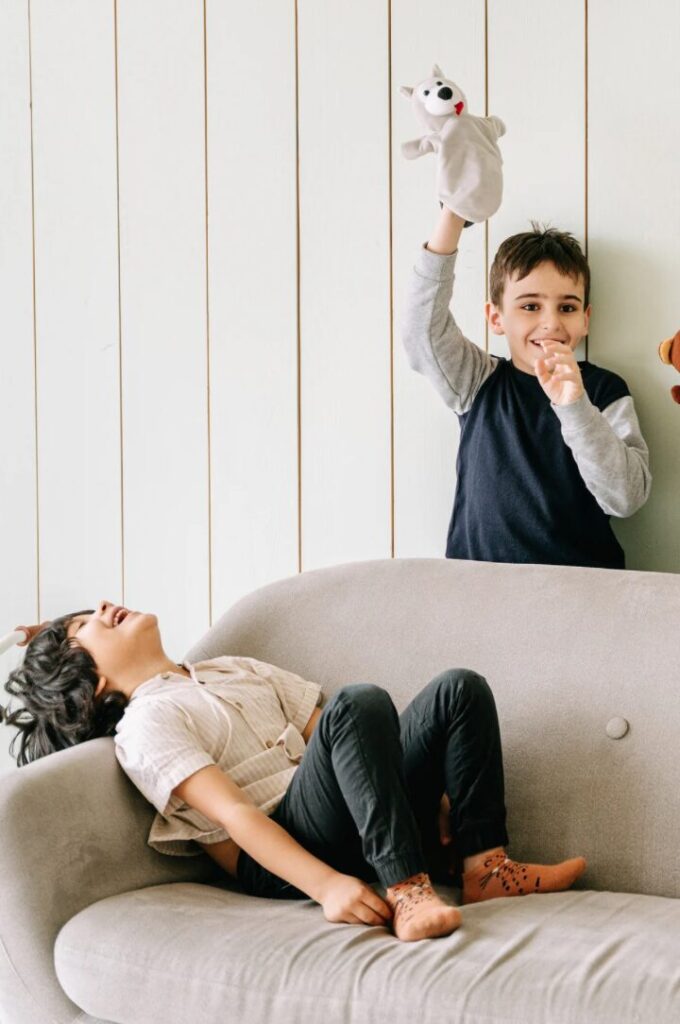
Less toys don’t mean less joy.
They often mean more.
More creativity.
More calm.
More connection.
Choosing fewer, higher‑quality toys — especially those made to last — is not about deprivation.
It’s about creating an environment where children can truly play.
And where families can breathe a little easier.
For any recommendations, click on this post : 10 eco friendly and natural gifts for children aged 0 to 5-years
For most children, having around 15 to 25 well-chosen toys available at a time is more than enough.
Not because less is better by force — but because simplicity supports deeper play.


Leave a Reply