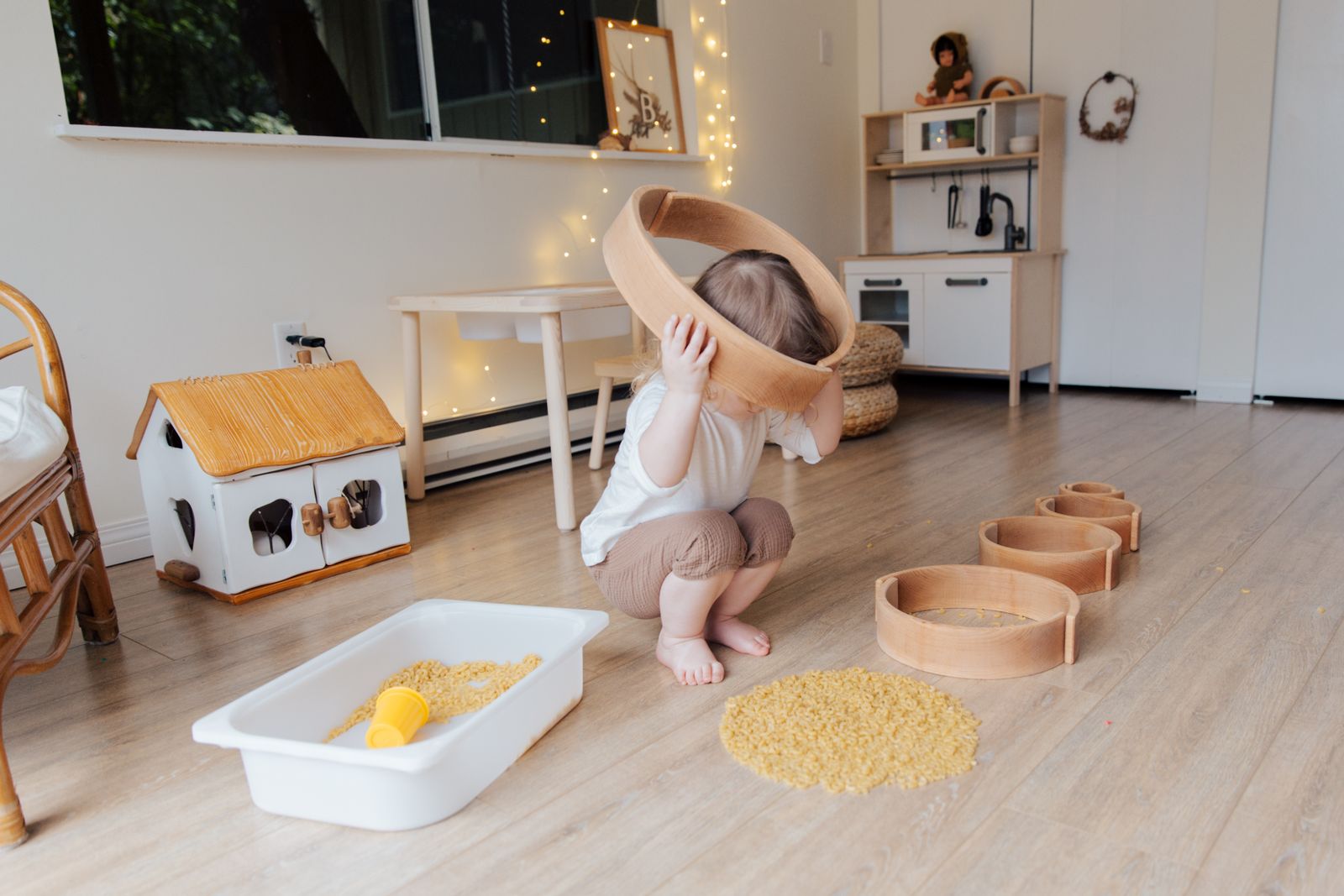
If your child’s room feels busy, loud or hard to settle in, the walls might be part of the story. Montessori wall art works differently from the bright, crowded posters we often see in kids’ rooms. It is calm, real and hung where a child can actually see it. Done well, a few thoughtful prints can turn a bedroom, playroom or homeschool corner into a peaceful little nature nook.
As the days get shorter and we spend more time indoors this winter, the room your child plays in matters even more. Here are seven simple, screen-free ideas to choose, hang and rotate Montessori wall art at home, with a gentle nature theme that grows with your little one.
Why Montessori Wall Art Looks Different
In a Montessori environment, everything in the room has a purpose. The walls are no exception. Instead of covering every inch, Montessori-inspired spaces use a few beautiful pieces that invite a child to look closely, name what they see and ask questions.
A few principles guide the choice:
- Realistic images: real animals, plants and seasons rather than cartoon characters.
- Soft, natural colors: sage, cream, warm brown and terracotta help a room feel restful.
- Less is more: two to four prints on a wall instead of ten.
- Child height: art is hung where a child’s eyes are, not where an adult’s are.
- Connection to real life: what’s on the wall matches what your child sees on walks, in books and in the seasons outside.

7 Calm Nature Ideas for Montessori Wall Art
1. Hang art at your child’s eye level
This is the simplest change with the biggest impact. Kneel down in your child’s room and look around: most of what’s on the walls is probably above their line of sight. For toddlers and preschoolers, the center of a print should sit roughly 20 to 30 inches from the floor, often just above a low shelf or reading cushion.
Use removable mounting strips or a thin wooden picture ledge so you can move prints as your child grows. A child who can see the art up close will talk about it, point at it and return to it again and again.
2. Start with one calm animal theme
A single theme gives a room a gentle, cohesive feeling. Woodland and farm animals are especially loved at ages 3 to 6 because children recognize them from stories and outdoor walks.
Geese are a sweet, cozy choice for a cottagecore nursery or playroom. A small gallery of vintage-style cottagecore goose prints in soft, warm colors fits beautifully above a low bookshelf or changing table, and it works for babies, toddlers and older siblings alike.
3. Rotate prints with the seasons
Montessori families already rotate toys and shelf work. Your walls can follow the same rhythm. Swapping two or three prints at the start of each season keeps the room fresh and gives your child a natural way to notice time passing.
A simple seasonal rotation might look like this:
- Fall: leaves, pumpkins and harvest scenes.
- Winter: snowy scenes, cozy animals, evergreen branches.
- Spring: frogs, flowers, ponds and baby animals.
- Summer: beaches, shells and ocean life.
For the colder months ahead, this Winter Cottagecore Goose Wall Art bundle brings snowy, cozy scenes into a Montessori room without any loud holiday colors. Print the ones you love, store the rest in a folder, and switch them as the season unfolds.
Ask your child to help choose which print goes up next. That small decision builds independence and makes the room feel like theirs.
4. Choose educational posters that teach gently
Wall art can quietly support learning. Life cycles, the alphabet and seasonal vocabulary are wonderful for the 3 to 6 age range, as long as the posters stay clear and uncluttered.
A frog life cycle poster, for example, becomes a reference point when you read a pond book or find tadpoles in spring. The Montessori Frog Wall Art Bundle includes a life cycle print plus calm pond illustrations, so it works as both science and decor in a homeschool room.
If you’d like a set to use right now, the Fall Educational Wall Art bundle pairs an alphabet chart with gentle autumn posters, perfect for a homeschool preschool corner.
Get the FREE Cottagecore Busy Book
Join the Little One in Nature email list and receive a free Cottagecore Busy Book right away. Each month you’ll also get a new free Montessori printable, plus subscriber-only discounts on nature-inspired resources.
5. Create a cozy reading and nature corner
Wall art is most meaningful when it connects to something your child can do. Pair one or two prints with a small basket of books and a “nature tray” for treasures from walks: pinecones, acorns, smooth stones, a feather.
When the print on the wall shows a goose in the snow and the book in the basket is about birds in winter, your child begins to make connections all on their own. That’s Montessori learning at its most natural.

A few cozy corner essentials:
- A low shelf or crate for two or three books.
- A soft cushion or small rug.
- A wooden tray or shallow basket for nature finds.
- One or two framed prints just above, at child height.
6. Use simple, natural frames
Frames can make a printable feel like heirloom art. Look for light wood, rattan or simple white frames. Avoid glass at child height; acrylic fronts or clip frames are safer for little hands.
Another easy option is a wooden clipboard or a string with mini clothespins. Children love clipping up their own art next to “grown-up” prints, and it makes rotating with the seasons even faster.
Printing tip: matte cardstock or thick paper gives a soft, gallery-like finish. Most local print shops can print A4 or US Letter files the same day if you’d rather not use a home printer.
7. Bring in a calm “elsewhere” theme
Children are fascinated by places they’ve visited or dream of seeing. A small series of calm ocean or coastal prints in a winter bedroom can feel like a breath of fresh air, especially if your family loves the beach.
The Coastal Educational Wall Art set features shells, sea creatures and gentle coastal scenes in muted tones, ideal for a reading corner or bathroom wall. Pair it with a basket of shells you collected last summer and you have a little “memory corner.”

A Calm Room Is a Learning Room
You don’t need a full makeover to create a Montessori kids’ room. Lower one print, remove a few busy posters and add one calm, nature-themed piece. Watch how your child responds. Often, a simpler wall leads to longer play, more focus and more peaceful bedtimes.
Small changes, made slowly and with your child’s input, are what make a room feel like home.
Ready to refresh your child’s walls?
Browse calm, nature-inspired Montessori wall art and printables at Little One in Nature on Etsy. Every file is an instant download you can print at home or at a local print shop, in soft cottagecore colors made for little ones.
FAQ About Montessori Wall Art
What makes wall art “Montessori”?
Montessori wall art uses realistic images, soft natural colors and meaningful subjects like animals, plants and seasons. It’s hung at a child’s eye level and kept minimal, so children can focus on and enjoy each piece.
How high should I hang art in a toddler’s room?
Aim for the center of the print to sit about 20 to 30 inches from the floor, at your child’s eye level when standing or sitting. Adjust as your child grows.
How often should I change the wall art?
Once per season is a lovely rhythm. Swap two or three prints at a time, and invite your child to help choose. Keep the others stored flat in a folder so they stay in good condition.
Keep Exploring
Looking for more cozy, screen-free ideas for the season? Read our guide to the Montessori Advent Calendar: 24 Screen-Free Ideas for Kids.
Find your favorite calm, nature wall art in the Little One in Nature Etsy shop, and grab your free Cottagecore Busy Book while you’re there.
Leave a Reply