
Spring can feel confusing — even for adults. One day the sun feels warm on your face, the next day it’s raining, windy, or suddenly cold again. For young children, these changes are not just noticeable… they’re fascinating.
If you live with a toddler or preschooler, you’ve probably heard questions like “Why is it raining?”, “Where did the sun go?” or noticed frustration when outdoor plans change at the last minute. This often makes parents wonder: should we actually explain spring weather to young children, or is it too abstract for them?
The short answer is yes — but gently, simply, and through real-life experiences.
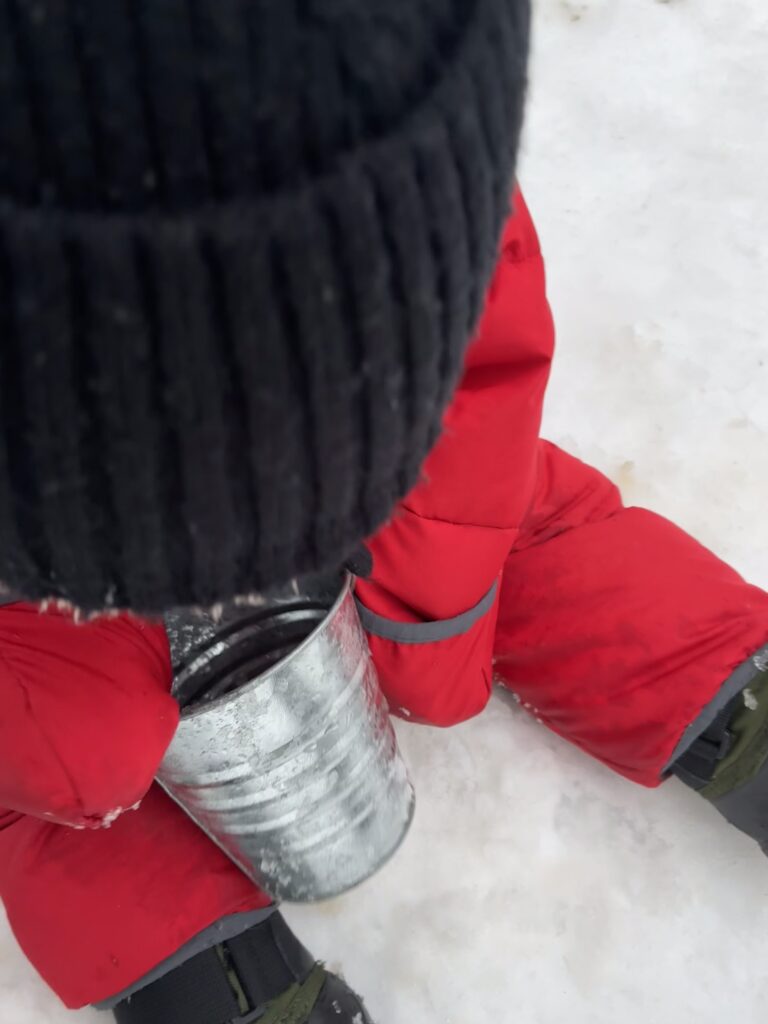
Young children don’t experience weather as a scientific concept. They experience it with their bodies. Rain feels wet on their hands. Wind feels strong on their face. The sun feels warm on their skin. Spring weather is especially powerful because it changes quickly, and children are naturally drawn to things that change.
This is exactly why spring is such a beautiful season for nature-based learning.
From a Montessori perspective, learning always begins with observation. Before children can understand words or ideas, they need to see, feel, and experience what is happening around them. Spring weather offers endless opportunities for that. A puddle after the rain. Boots one day, sneakers the next. Jackets coming on and off. These daily moments are already lessons — whether we name them or not.
What often overwhelms children is not the weather itself, but the lack of understanding around it. Sudden changes can feel unpredictable. One day they can play outside, the next day they can’t. One day they’re warm, the next day they’re cold. Giving simple words to these experiences helps children feel more secure.
And simple really is the key.
Toddlers don’t need explanations about seasons, air pressure, or why spring is unstable. They need short, clear language connected to what they see. “Today it’s raining.” “The wind is strong.” “The sun is warm.” These kinds of sentences are enough. Repeated daily, they build understanding naturally.

This is where Montessori-inspired materials become incredibly helpful. Visual support allows children to connect language to reality. When a child can see a realistic image of rain, sun, or wind, it helps them organize what they are already experiencing.
Montessori 3-part cards work particularly well for this because they are calm, clear, and grounded in reality. Used in spring, weather cards help children recognize patterns and feel more confident with change. They don’t “teach” weather in a formal way. Instead, they support the child’s natural curiosity and need for structure.
This is why weather-themed Montessori cards often become a favorite in spring. Children enjoy matching what they see outside with what they see on the cards. Over time, they begin to name the weather themselves, sometimes even before an adult does.
👉 Montessori Weather 3-Part Cards
One of the most beautiful parts of a Montessori and nature-based approach is that learning doesn’t feel forced. It fits naturally into daily routines. Looking outside together in the morning. Talking about what clothes to wear. Noticing how the ground feels after rain. These moments are enough.
When children feel that adults are calmly naming what’s happening, they feel safer in a world that changes often — especially in spring.

As children grow more familiar with weather, their attention naturally expands. They start noticing flowers appearing, birds returning, longer days, and warmer light. Weather becomes part of a bigger picture: the transformation of spring itself.
This is where seasonal Montessori materials come in beautifully. Spring-themed 3-part cards allow children to connect weather with other elements of the season. Flowers, animals, insects, and weather all become part of the same story. The child isn’t memorizing information. They are organizing their world.
👉 Spring Montessori 3-Part Cards Bundle
Using a bundle allows learning to grow with the child. Weather becomes one part of spring, and spring becomes one part of the natural cycle they are beginning to understand.
Many parents worry about explaining too much or not enough. The truth is, children don’t need perfect explanations. They need calm presence, consistent language, and opportunities to observe. Spring offers all of that naturally.
By taking a Montessori and nature-based approach to spring weather, you’re not just teaching vocabulary. You’re helping your child feel confident in a changing environment. You’re showing them that change is normal, observable, and something we can understand together.
And that is a powerful lesson — at any age.
📌 Next: Montessori-Inspired Spring Weather Activities for Toddlers & Preschoolers


Leave a Reply