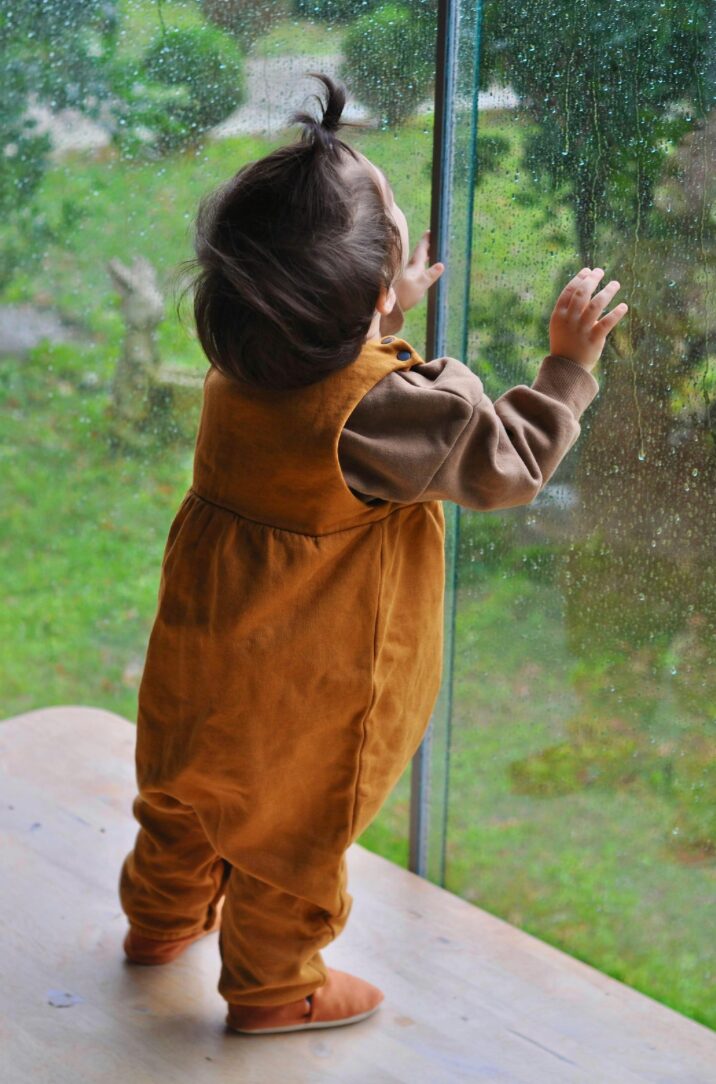
Spring is a season full of movement, contrast, and discovery. One moment the sky is bright and sunny, the next it’s cloudy, rainy, or windy. For young children, these constant changes are not only interesting — they are deeply engaging.
After understanding how toddlers experience spring weather, many parents ask the next natural question: what can I actually do with my child to support this curiosity?
The good news is that spring weather activities don’t need to be complicated. With a Montessori and nature-based approach, simple materials and short moments of connection are more than enough.
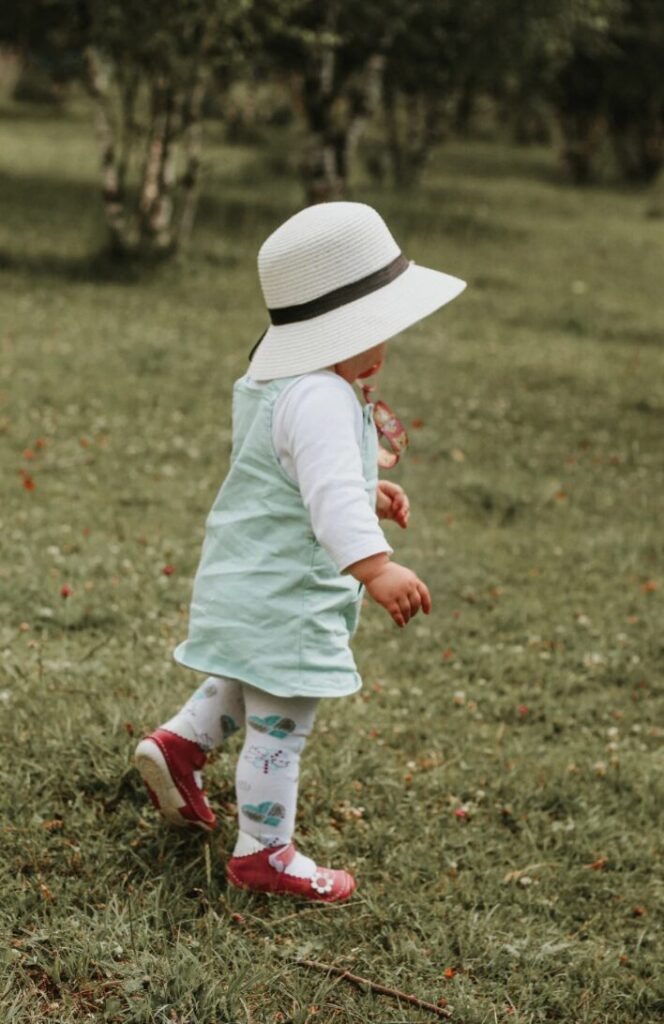
The goal of Montessori-inspired activities is not to “teach” weather, but to allow children to explore it in a calm, meaningful way. Activities should follow the child’s interest, remain hands-on, and connect directly to what they see outside.
Spring weather is perfect for this because it is already present in daily life.
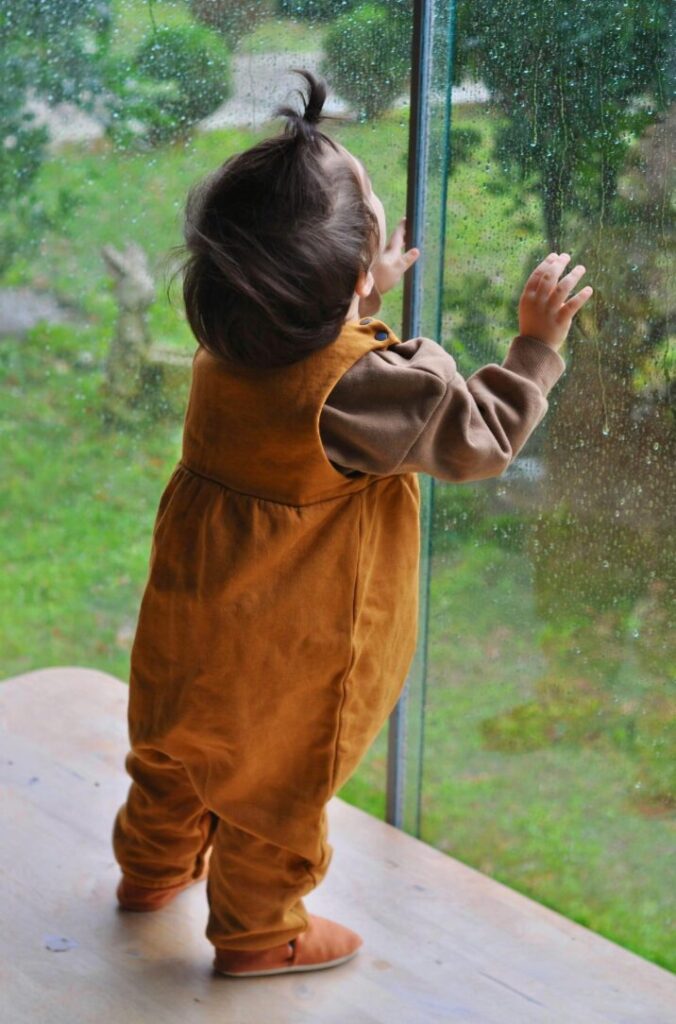
One of the simplest ways to begin is by making weather part of your everyday rhythm. Looking outside together in the morning becomes a moment of shared attention. You might notice rain on the window, clouds in the sky, or sunshine warming the room. Naming what you see, without over-explaining, helps your child feel oriented and secure.
This daily observation becomes even more powerful when paired with visual support.
Using Montessori weather cards in daily routines
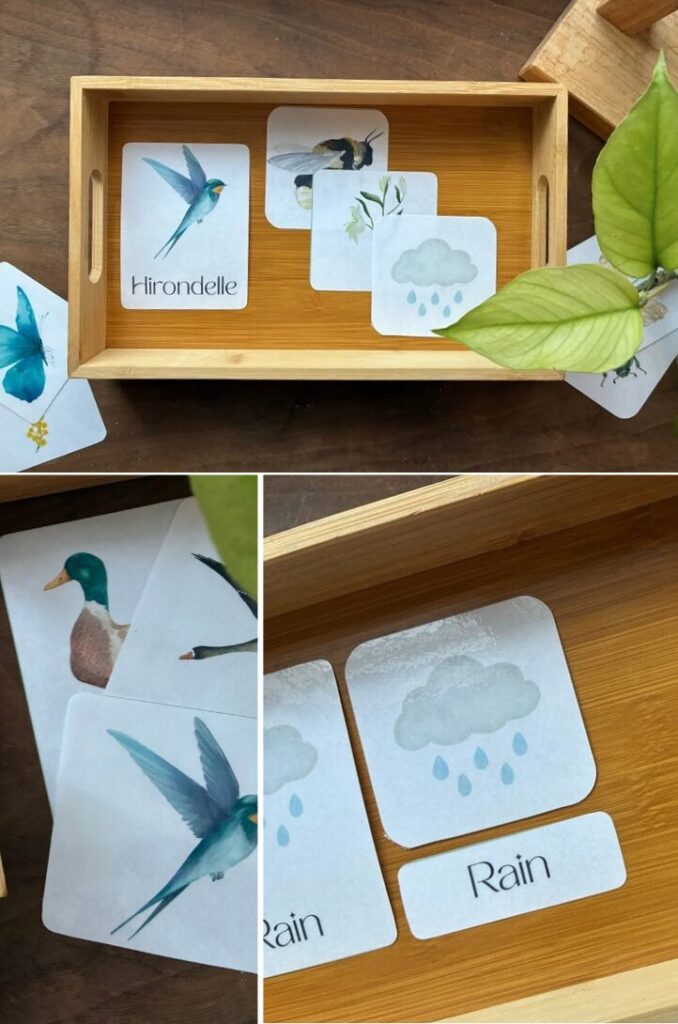
Montessori 3-part cards are a wonderful bridge between real-life observation and structured learning. When children see a realistic image of rain or sun, it helps them organize what they are already experiencing.
In spring, weather cards can be used very simply. After observing the weather outside, you can place the matching card on a small tray or shelf. Over time, many children begin to search for the correct card themselves. This small act builds independence and confidence.
👉 Montessori Weather 3-Part Cards
There is no need to turn this into a lesson. Some days your child will engage deeply. Other days they may glance and move on. Both are perfectly fine.

A gentle first activity: Spring weather puzzle (FREEBIE)
For younger toddlers, especially between 18 months and 3 years, puzzles are often more accessible than cards. That’s why a two-piece weather puzzle is a beautiful first step into weather learning.
This simple activity allows children to match a weather element, such as the sun or rain, with its image. The focus is not on accuracy, but on recognition and exploration. Children love the feeling of completing a puzzle, even a very simple one.
This printable puzzle works perfectly as an introduction to weather concepts before moving on to more structured Montessori materials.
🎁 Spring Weather 2-Piece Puzzle
Many parents notice that once children are comfortable with the puzzle, they naturally become more interested in weather cards and matching activities.
As children grow, their interest often expands beyond the weather itself. They begin to notice how weather connects to other elements of spring. Rain makes flowers grow. Sun brings warmth. Wind moves leaves and clouds.
This is a beautiful moment to introduce seasonal learning more broadly.
Expanding learning with spring-themed Montessori cards
Spring-themed 3-part cards help children connect weather with the larger transformation happening around them. Flowers, animals, insects, and changing landscapes all become part of the same story.
Using a spring bundle allows children to revisit familiar concepts while discovering new ones. Weather cards feel even more meaningful when paired with images of blooming flowers or returning animals.
👉 Spring Montessori 3-Part Cards Bundle
At this stage, learning feels cohesive rather than fragmented. Children aren’t jumping from one topic to another — they are building a mental map of spring as a whole.
One of the most important things to remember is that Montessori-inspired activities should never feel rushed. Spring weather changes daily, and children need time to process what they see. Repetition is not a problem — it’s how understanding deepens.
Some days, the activity might last only a few minutes. Other days, your child may return to it again and again. Trusting this rhythm is part of the Montessori philosophy.
Spring weather activities are not about filling time or checking boxes. They are about slowing down and noticing the world together. When children are given simple tools to understand what they see, their curiosity feels supported rather than overwhelming.
By combining observation, gentle activities, and Montessori materials, you create an environment where learning feels natural and joyful.
Spring will continue to change — and that’s exactly what makes it such a beautiful season to explore with your child 🌱


Leave a Reply