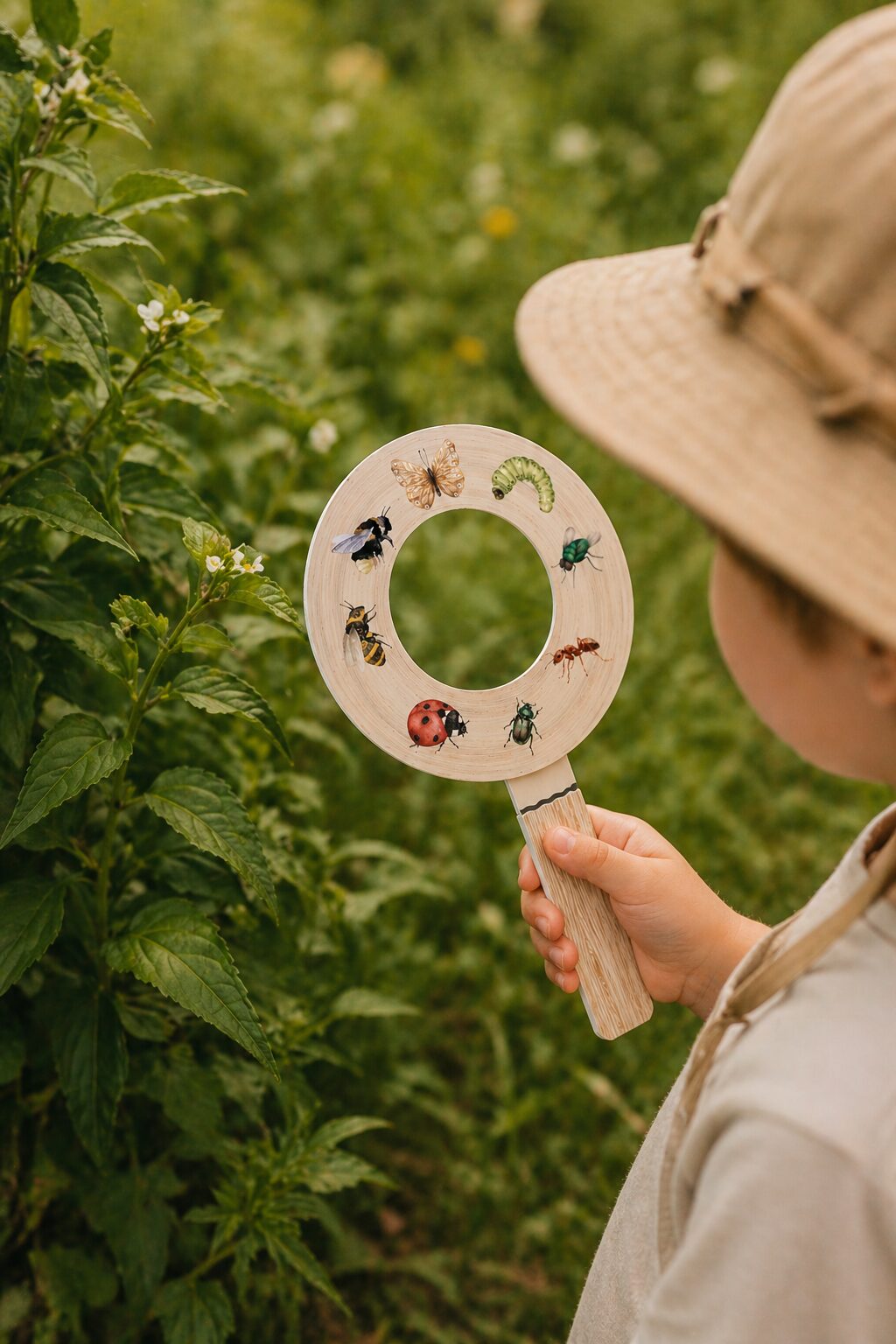
Introducing a child to nature from age 2 is easiest when you focus on simple, sensory experiences like observing, touching, and exploring outdoors. Short, regular outings combined with visual tools help build curiosity and connection with the natural world. Using child-friendly cards (like birds or insects) can guide learning in a playful and engaging way.
If you’ve ever taken your toddler outside and wondered how to “teach” them about nature… you’re not alone. At age 2, children are curious but have a short attention span. They touch everything, move constantly, and don’t always listen to explanations.
So how do you introduce nature in a way that actually works?
The good news is: you don’t need complicated lessons or long explanations. At this age, learning happens through experience, repetition, and discovery. Nature is already the perfect classroom—you just need to guide your child gently.
In this article, you’ll learn simple, practical ways to help your child connect with nature from an early age—while keeping it fun, stress-free, and meaningful.
Why Start Nature Learning at Age 2?
Even very young children benefit from spending time in nature. It supports their development in many ways.
Here’s why it matters:
- 🌿 Stimulates the senses – Touching leaves, hearing birds, smelling flowers
- 🧠 Supports brain development – Real-world experiences build strong connections
- 🚶 Encourages movement – Walking, exploring, and climbing
- 🌍 Builds early environmental awareness – Children learn to respect nature
- 💛 Creates calm and focus – Nature has a soothing effect
At this age, the goal is not to “teach facts” but to create a connection.
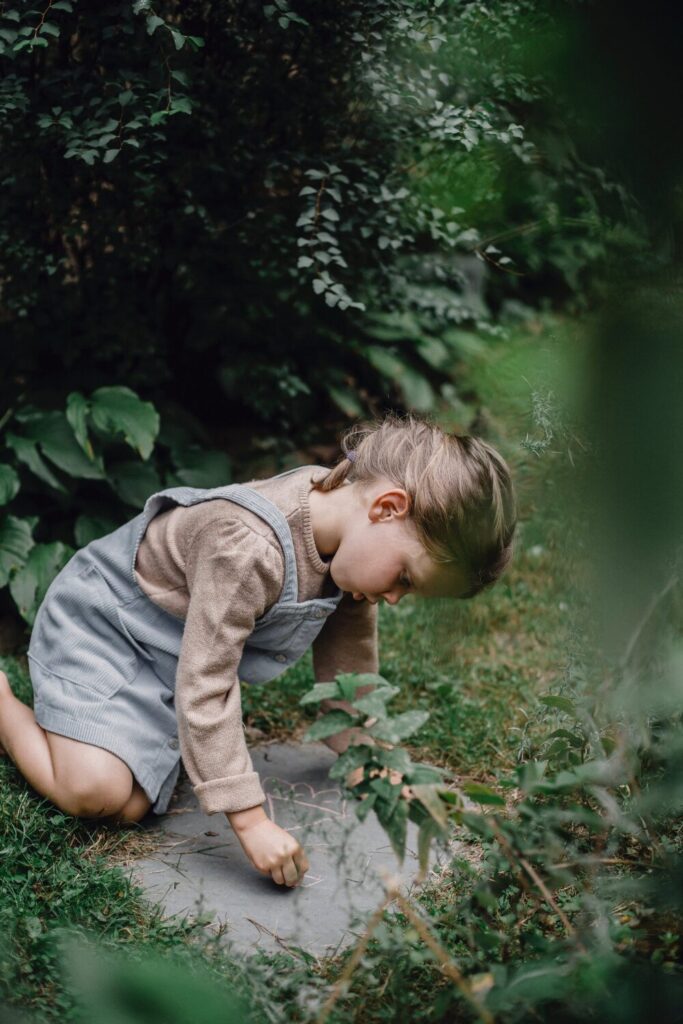
Step-by-Step Guide to Introducing Nature
Step 1: Start with Short Outdoor Moments
Toddlers don’t need long outings.
- 10–20 minutes is enough
- Go to a park, backyard, or even a balcony
- Keep it relaxed and flexible
Consistency matters more than duration.
Step 2: Let Your Child Explore Freely
Avoid directing too much.
Let your child:
- Touch leaves
- Pick up sticks
- Watch insects
- Walk at their own pace
👉 Exploration builds natural curiosity.
Step 3: Name What You See
Use simple language to introduce vocabulary.
For example:
- “This is a bird”
- “Look, a flower”
- “That’s an ant”
Repeat often—this is how toddlers learn.
Step 4: Focus on Observation 👀
Encourage your child to notice things.
Ask simple questions:
- “Do you see the bird?”
- “What color is this?”
- “Is it moving?”
No pressure, just gentle interaction.
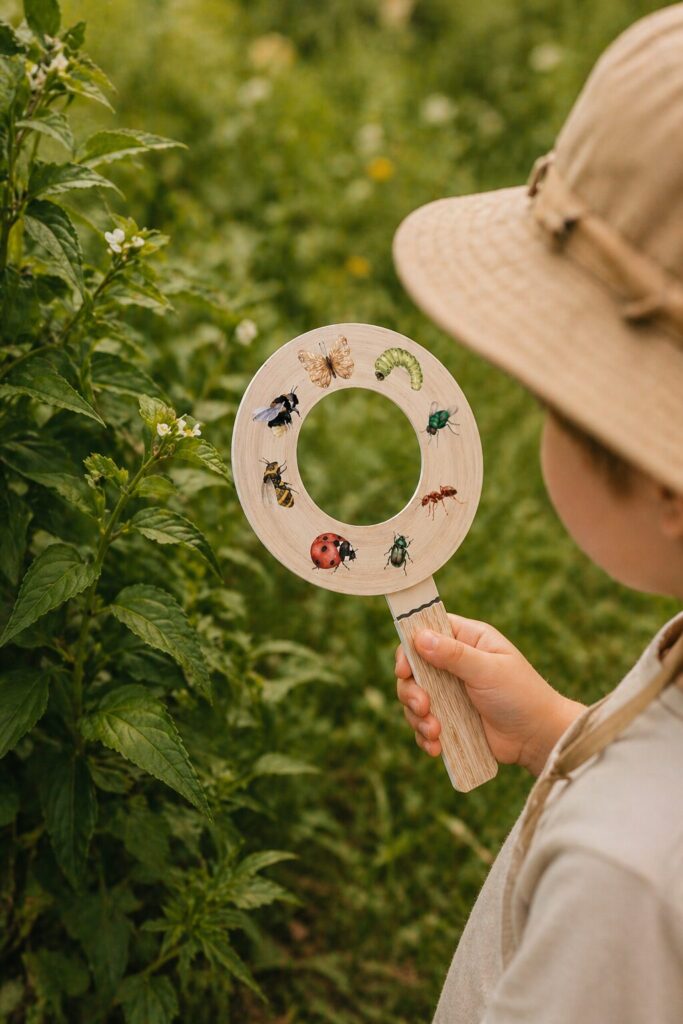
Step 5: Use Visual Cards to Support Learning
At age 2, visuals are extremely powerful.
Cards with birds or insects help your child:
- Recognize what they see outside
- Make connections between real life and images
- Build vocabulary naturally
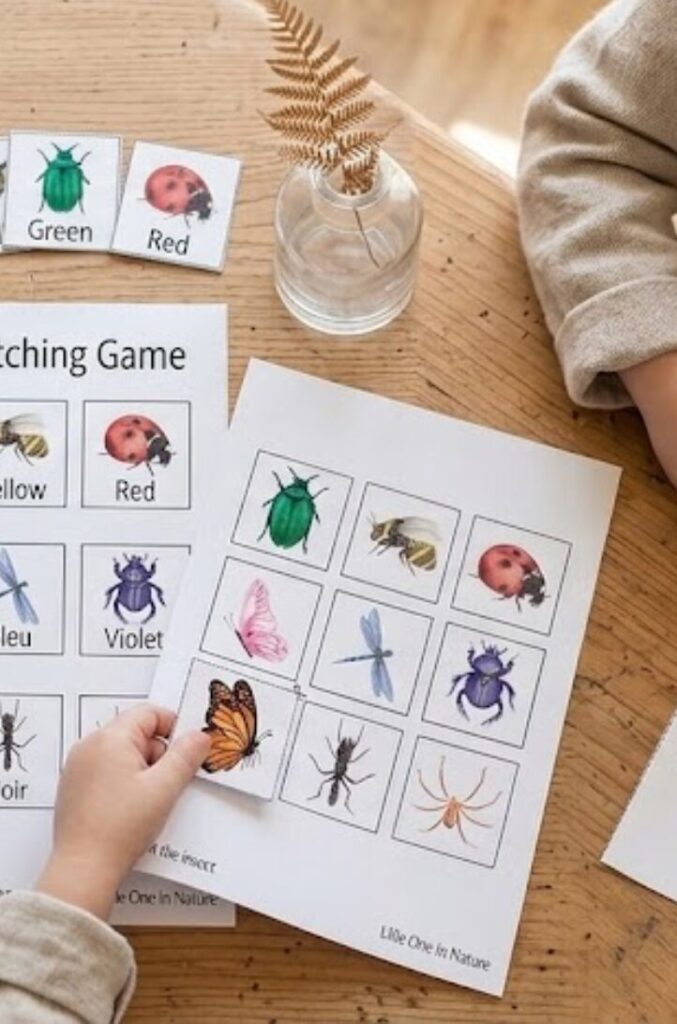
If you want an easy way to guide this, I created printable bird and insect cards designed for toddlers. They are simple, clear, and perfect for early nature discovery.
Step 6: Create a Simple Routine
Nature learning works best when it becomes part of daily life.
- Go outside at the same time each day
- Repeat similar activities
- Revisit the same places
👉 Routine creates familiarity and confidence.
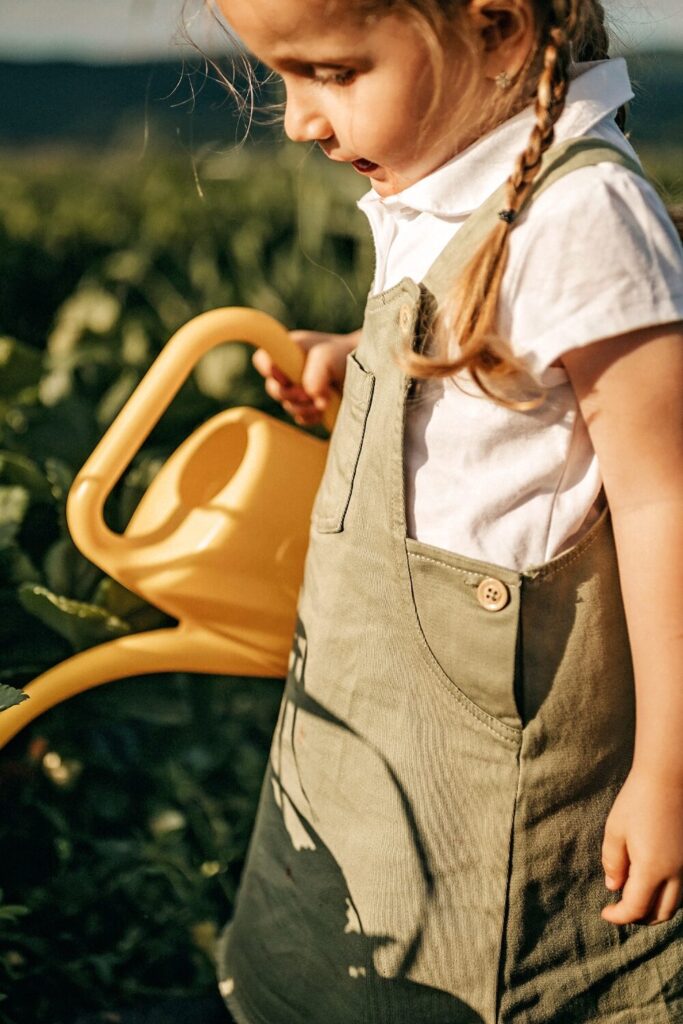
To make nature exploration easier and more structured, you can use printable bird and insect pack.
They help your child:
- Identify animals they see
- Stay engaged during outdoor time
- Build early vocabulary in a fun way
You can find these cards in your Etsy shop Little One in Nature. They’re perfect for toddlers starting their nature journey.
Bonus Section – Tips & Mistakes to Avoid
✔️ Tips for Success
- Keep things simple and playful
- Follow your child’s interests
- Repeat the same words and activities
- Be patient—learning takes time
❌ Common Mistakes
- Trying to teach too much at once
- Expecting your child to sit still
- Turning it into a “lesson” instead of play
- Interrupting exploration too often
At age 2, experience matters more than explanation
📌 FAQ – Nature Learning for Toddlers
Can I really start at age 2?
Yes! Toddlers learn through sensory experiences and exploration.
How long should outdoor time be?
About 10–20 minutes, depending on your child’s energy.
What should I teach first?
Start with simple things: birds, insects, flowers, and leaves.
What if my child isn’t interested?
Follow their lead. If they like rocks more than bugs—that’s okay!
Do I need special materials?
No, but visual tools like printable activities can make learning easier and more engaging.
Introducing your child to nature from age 2 doesn’t require complicated plans or structured lessons. With simple daily moments, gentle guidance, and lots of exploration, your child will naturally develop curiosity and a love for the outdoors.
Start small, stay consistent, and enjoy the process together.


Leave a Reply