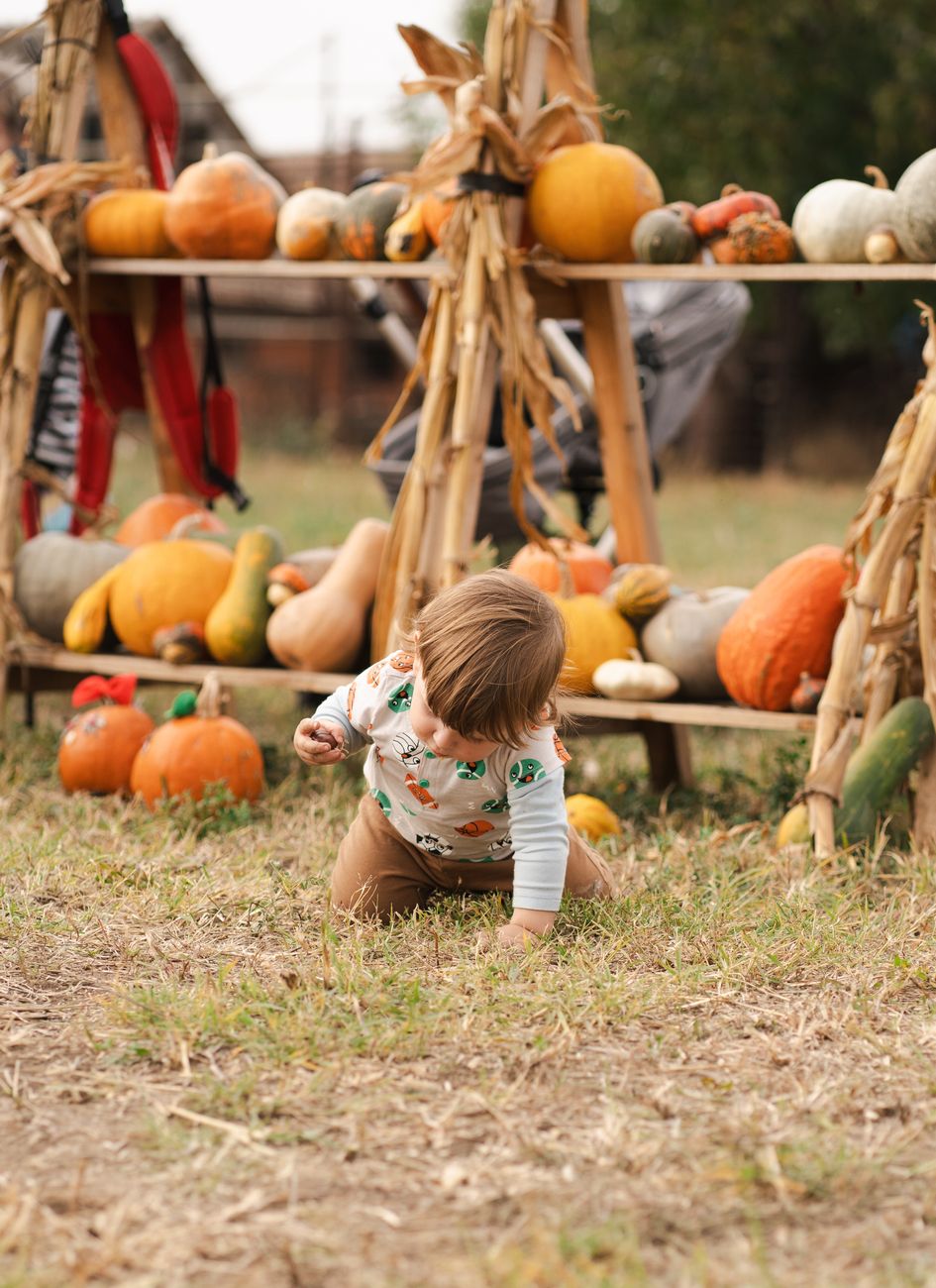
There is something about a pumpkin that makes small children stop and stare. It is heavy, bumpy, cool to the touch and surprisingly hard to lift. For a toddler, that is not just a fall decoration. It is a whole lesson in weight, texture, size and patience, sitting right on your kitchen floor.
That is the heart of Montessori learning: real objects, busy hands, and just enough structure for a child to explore on their own. Pumpkin season hands us that material almost for free. In this guide you will find simple Montessori pumpkin activities for toddlers and preschoolers (roughly ages 2 to 6), from sensory play to early math, practical life and nature study. Most take ten minutes or less to set up, and none of them need a screen.
Why Pumpkins Make a Perfect Montessori Material
Montessori classrooms are full of materials that isolate one idea at a time: rough and smooth, big and small, heavy and light. A pumpkin patch does the same thing naturally. Pumpkins and gourds come in every size, shape and color, so children can compare, sort and describe what they see with their own senses.
Pumpkins also connect learning to the season your child is living through. When they wash a pumpkin in the morning and spot one on a neighbor’s porch in the afternoon, the idea sticks. And because a pumpkin is real, children feel trusted with it. That sense of being trusted is where concentration starts.
A few simple guidelines make every activity below work better:
- Use child-sized tools: a small brush, a wooden spoon, a little bowl.
- Put each activity on its own tray so your child knows where the work begins and ends.
- Show the activity slowly, with few words, then step back.
- Let your child repeat it as many times as they like. Repetition is the learning.
Sensory Pumpkin Activities for Toddlers (Ages 2–3)
Pumpkin Scrubbing
Set a small pumpkin in a shallow basin with an inch of water, a soft scrub brush and a towel. Show your child how to scrub in small circles, then dry the pumpkin with the towel. It looks simple, but scrubbing builds hand strength, coordination and focus. It also teaches care of the environment, a core idea in Montessori practical life.
Exploring Pumpkin “Guts”
Cut the top off a pumpkin yourself, then invite your child to reach inside. Offer a large spoon and a bowl for scooping. This is a wonderful moment for rich vocabulary: slimy, stringy, wet, slippery, seeds. Lay a towel or tray underneath and expect a mess; the mess is part of the experience. Stay close, since loose seeds can be a choking risk for children who still put things in their mouths.
Tapping Golf Tees (Ages 3+)
For children past the mouthing stage, a whole pumpkin makes a perfect “soft wood” for hammering. Offer a few golf tees and a small wooden mallet, and show how to tap gently. Supervise closely. Your child practices aim, grip and controlled force, and the pumpkin can take a lot of enthusiasm.
Early Math with Pumpkins (Ages 3–6)
Size Sorting and Ordering
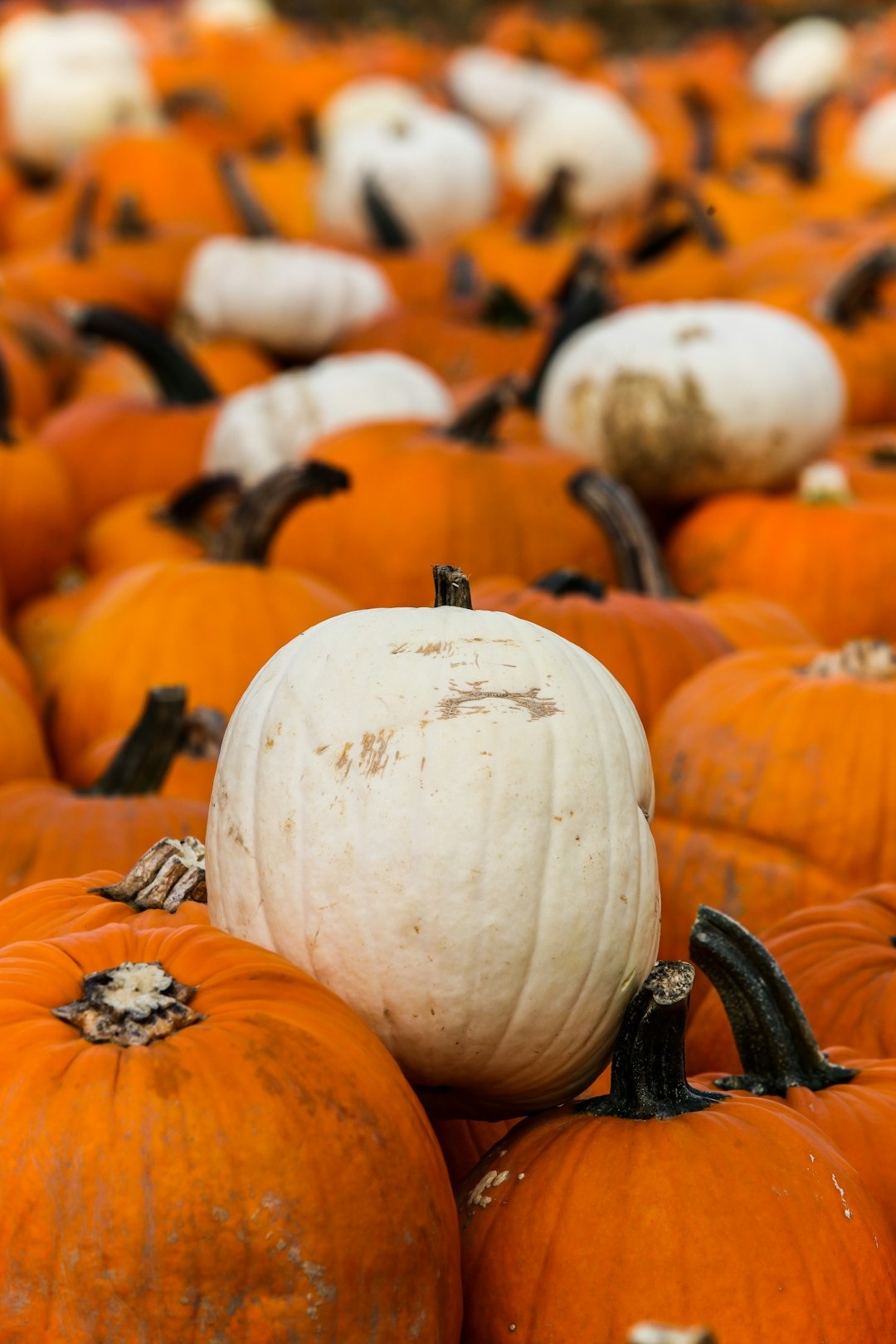
Gather three to five pumpkins or gourds of clearly different sizes. Ask your child to line them up from smallest to largest, then mix them up and try again. Name the sizes as you go: small, smaller, smallest; big, bigger, biggest.
This kind of ordering by size is called seriation, and it is an important foundation for later math. Try a simple three-step lesson: first name the concept (“This one is the biggest”), then ask your child to find it (“Can you show me the biggest?”), and finally let them name it (“Which one is this?”).
Counting Seeds
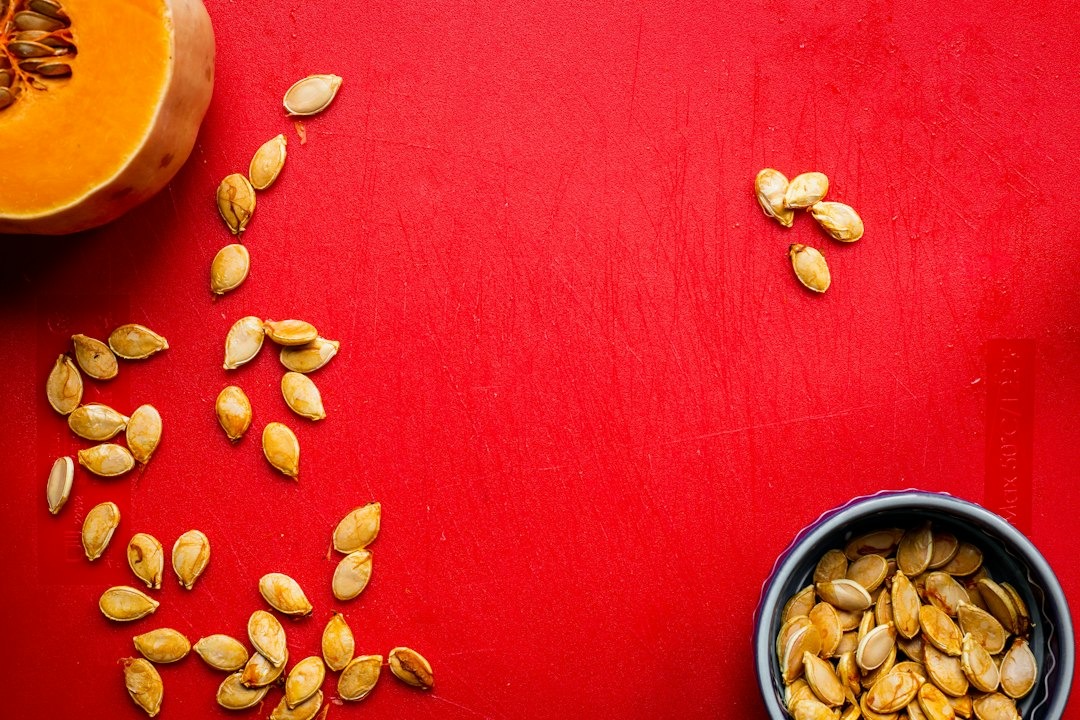
Rinse and dry a handful of pumpkin seeds. Set out small cups or muffin-tin sections labeled with the numbers 1 to 5 (or 1 to 10 for older preschoolers). Your child drops the matching number of seeds into each cup. It is counting, number recognition and fine motor practice all at once.
Heavy or Light?
Hand your child two pumpkins, one in each hand, and ask which feels heavier. Then check with a kitchen scale. Asking your child to guess first turns a simple comparison into a real little experiment.
Sink or Float?
Fill a bin or bathtub and ask your child to predict: will the pumpkin sink or float? Many children expect a big pumpkin to sink, so watching it bob is a lovely surprise and a first taste of scientific thinking.
Practical Life: Pumpkin Work for Little Hands
Practical life activities help children feel capable in their everyday world. Pumpkin season offers plenty:
- Transferring seeds: Spoon seeds from one bowl to another, or use child-sized tongs for an extra challenge.
- Roasting seeds together: Your child rinses the seeds and spreads them on the tray. You handle the oven.
- Painting instead of carving: Little ones can decorate a pumpkin with washable paint or stickers while you save the knife work for later.
- Setting the table: Let your child carry a small pumpkin to the table and choose where it goes. It is a small job with a big sense of pride.
Take It Outside: Fall Nature Study
Pumpkins make a natural bridge to the wider world outdoors. If you can, visit a pumpkin patch, farm stand or garden. Point out the long vines, the big leaves and the curly tendrils that help the plant climb.
Talk through the pumpkin life cycle in simple words: a seed, a sprout, a vine, a yellow flower, a small green pumpkin, and finally an orange pumpkin. Save a few seeds in an envelope so your child can plant them in spring and watch the cycle begin again.
Fall is also a busy season for animals. Squirrels gather food, birds gather in flocks and forest animals prepare for winter. A walk with a simple bird watching scavenger hunt gives your child something to look for and a checklist to mark as they go. Back home, invite them to draw their pumpkin or a bird they spotted in a nature journal.
Printables to Extend Your Fall Learning
Real pumpkins are the star of the show, but a few printables can extend the learning on rainy days and keep the ideas fresh after the pumpkins are gone. These are the Little One in Nature printables that pair best with a pumpkin theme:
- Pumpkin Size Classification printable: a Montessori-inspired size sorting activity that lets your child practice the same small-to-big ordering at the table, with fine motor practice built in. It is a nice follow-up after sorting real pumpkins.
- Woodland Animals 3-Part Cards: vocabulary and matching cards for the forest animals children notice on fall walks. Start by matching picture to picture, then add the word labels as your child grows ready for early reading.
- Calm Corner wall art bundle: fall is exciting, and Halloween season can bring big feelings. These emotional regulation posters give your child a calm, visual place to reset.
Printing on cardstock and laminating the pieces will help them last through many rounds of play, and through younger siblings too.
Tips for Setting Up Pumpkin Activities at Home
- Offer one activity at a time. A single tray on a low shelf invites focus better than a table full of choices.
- Rotate through the season. Start with sensory play in September and add math and nature study as October goes on.
- Follow your child. If they want to scrub the same pumpkin every day for a week, that is concentration at work.
- Let mistakes teach. If the pumpkins are out of order, wait. Children often notice and fix it on their own.
- Make clean-up part of the work. Wiping the tray and hanging up the towel completes the cycle and builds independence.
A Season of Hands-On Learning
You do not need a classroom or a cupboard of special materials to bring Montessori ideas home this fall. A few pumpkins, a towel, a spoon and a little patience are enough to fill weeks with meaningful, screen-free learning.
Choose one activity to try this week and see where your child’s curiosity leads. When you are ready to extend the fun, you will find more nature-inspired, Montessori-style printables in the Little One in Nature shop. And if this guide helped, save it to your fall activities board on Pinterest so it is there when pumpkin season comes around again.
Leave a Reply