
The first real snowfall always changes the mood in our house. Little noses press against the window, boots get pulled on the wrong feet, and suddenly every child wants to know where snow comes from and why ice is slippery. That curiosity is the perfect starting point for a winter unit study for preschool.
You don’t need a big curriculum or a full lesson plan to make winter learning meaningful. A few calm, hands-on activities, a basket of beautiful cards, and time outside are enough. Below you’ll find 8 simple ideas that work for homeschool preschool, Montessori at home, or a cozy morning basket with kids ages 3 to 6.
Why a Winter Unit Study Works So Well for Preschoolers
Young children learn best through their senses. Winter gives them a whole new world to touch, see and hear: crunchy snow, cold ice, bare trees, animal tracks and birds at the feeder. A unit study simply gathers all of that wonder around one theme, so every activity connects to the next.
For a preschooler, that connection matters. When the same words (snow, frost, mitten, cardinal, hibernate) show up on a nature walk, on picture cards and in a story at bedtime, they stick. It also makes your planning easier, because one theme carries you through several weeks.

How to Set Up Your Winter Unit Study
Keep it gentle. A good rhythm for this age looks like this:
- One focus per week: snow and ice, winter weather, winter animals, then winter birds and trees.
- A small morning basket: 2 or 3 activities on a tray, rotated weekly.
- A daily outdoor moment: even 15 minutes counts, bundled up in the yard or on a short walk.
- One open-ended art or sensory invitation: nothing that needs a perfect result.
Print your cards once, laminate them if you can, and store each week’s materials in a basket or envelope. Next winter, your whole unit is ready to go again. If you have a toddler too, let them join with a simpler version of the same tray; younger siblings love to scoop snow and carry cards around while the older child works.
8 Simple Winter Unit Study Ideas
1. Snow and Ice Science on a Tray
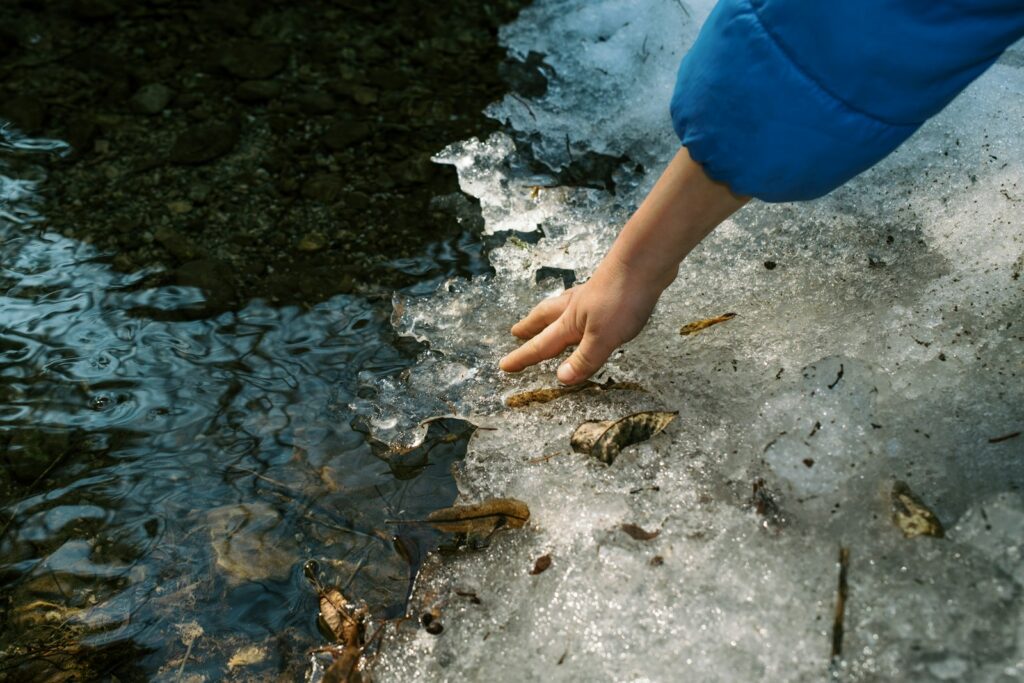
Bring a bowl of fresh snow inside and set it on a tray with a magnifying glass, a spoon and a small cup. Ask: what will happen if we leave it here? Check every 10 minutes. You can also freeze small nature treasures (pinecones, berries, leaves) in a muffin tin and let your child free them with warm water and a pipette. It’s simple science and wonderful fine motor practice.
2. Winter Weather Watching
Every morning, look out the window together and name the weather: sunny, cloudy, windy, snowy. Preschoolers love being the family “weather reporter.” Our Weather Activity Bundle for toddlers and preschoolers gathers weather cards, sorting and simple worksheets in one place, so you can build a full weather week without searching for materials.
3. Weather Lacing and Tracing for Little Hands
Winter afternoons are long, and quiet table work helps. Lacing and tracing build the hand strength and control children need before writing. Try the Preschool Lacing Weather Activity for threading practice, then move to the Weather Tracing Lines Cards with a dry erase marker. Both fit perfectly in a quiet time basket.
4. Winter Vocabulary with Montessori 3-Part Cards
Three-part cards are a classic Montessori tool for building real vocabulary. Lay out the control cards, then let your child match the picture and the label. Our Winter Montessori 3 Part Cards feature realistic watercolor images of winter nature, so children learn the true names of things they see outside. Take one or two cards on your next walk and go on a “find it” hunt.
Get the FREE Cottagecore Busy Book
Join the Little One in Nature email list and get our Cottagecore Busy Book free when you sign up. You will also receive a new free Montessori printable every month and subscriber-only discounts.
5. A Winter Alphabet Basket
Pair the season with early literacy. Place a few alphabet cards in a basket with small objects that start with the same sound: a mitten for M, a pinecone for P, a sock for S. The Nature ABC Cards with a winter theme are lovely for this, and older preschoolers can trace the letters with a finger in a tray of salt or flour “snow.”
6. Winter Birds at the Window
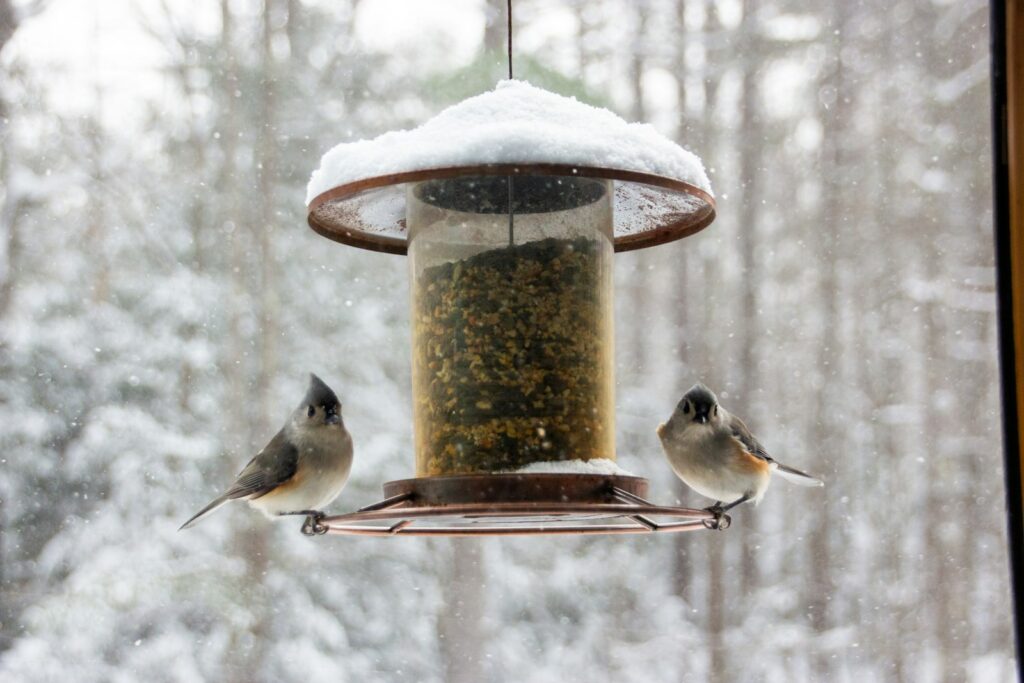
Hang a simple feeder where your child can see it from the table. Keep a little notebook nearby and draw a tally mark every time a bird visits. Over a few weeks, children start to recognize chickadees, cardinals and juncos by color and shape. This is real nature study, and it builds patience and observation skills like nothing else.
7. Animal Tracks and Snow Prints
After a fresh snowfall, go looking for tracks. Compare the size of a bird print, a rabbit print and your own boot. Press hands and mittens into the snow and talk about what makes a print deep or shallow. Back inside, roll play dough flat and press small animal figures or pinecones into it to make your own “tracks.”
8. A Cozy Winter Corner
Learning feels calmer in a space that feels calm. Create a small reading nook with a blanket, a basket of winter books and one piece of seasonal art at your child’s eye level. Our Winter Cottagecore Goose Wall Art brings soft, nature-inspired color to a playroom or homeschool corner, and it’s a sweet conversation starter about how animals stay warm in winter.
A few winter picture books we love for this age: The Snowy Day by Ezra Jack Keats, Owl Moon by Jane Yolen and The Mitten by Jan Brett. Read one after outdoor time, when everyone is warm and calm again. Children will start pointing out the snow, tracks and birds they saw that very morning.
A Sample Week (Snow and Ice Week)
- Monday: Snow on a tray, observe and predict what will happen.
- Tuesday: Weather reporter + weather lacing card.
- Wednesday: Winter 3-part cards, then a “find it” walk.
- Thursday: Frozen treasures rescue with warm water.
- Friday: Snow prints outside, cocoa and a winter book.
That’s it. Short, joyful and repeatable. Follow your child’s interest and stay longer on whatever sparks the most questions.
Make Your Winter Unit Study Easy
Everything above is ready to print in minutes: Winter Montessori 3 Part Cards, the Weather Activity Bundle and the Nature ABC Cards. Print, laminate, and your winter basket is ready.
FAQ
How long should a winter unit study last for preschool?
Most families enjoy 3 to 4 weeks, one sub-theme per week. With young children, 20 to 30 minutes of guided activity a day is plenty; the rest is play and time outside.
What if we don’t get snow where we live?
You can still explore winter. Make “snow” with baking soda and conditioner, freeze ice in different shapes, and focus on winter weather, birds and animals. Picture cards bring the season to you.
Is a winter unit study Montessori?
It can be. Keep materials real and beautiful, offer activities on trays your child can choose freely, use realistic images and let children work at their own pace. That’s the heart of Montessori at home.
If you’re building a seasonal rhythm, you might also enjoy our Fall Morning Basket for Preschool ideas, which follow the same calm, hands-on approach.
Ready for a cozy winter at home? Explore all our winter Montessori printables on Etsy and start your unit study this week.
Leave a Reply