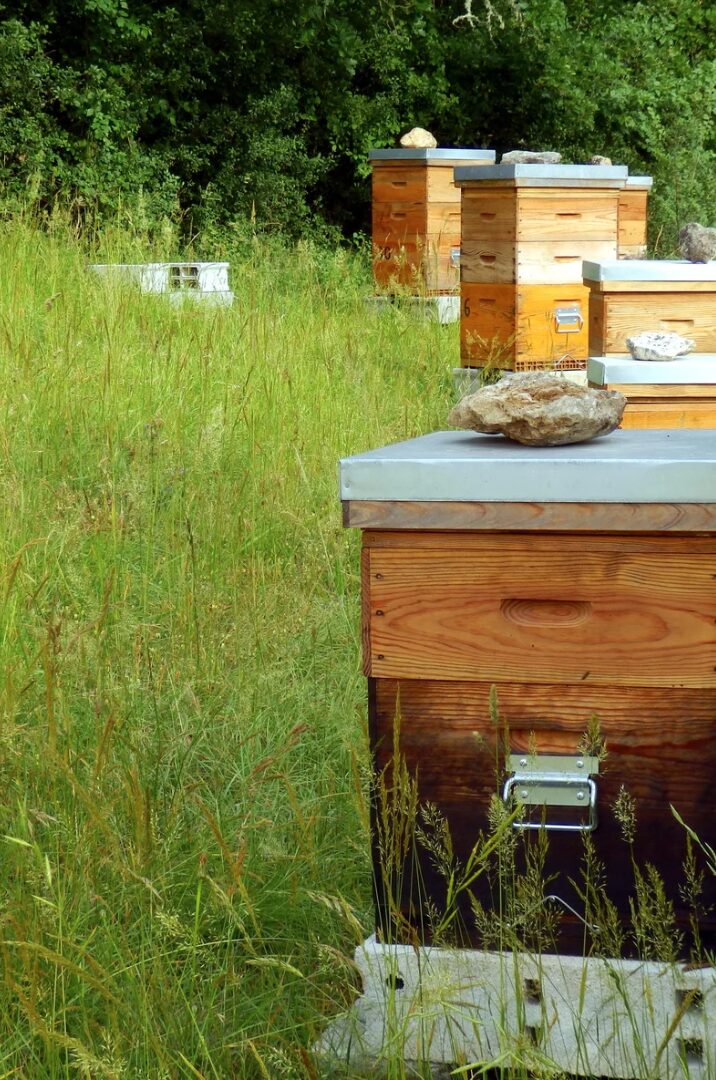
Teaching children about bees through nature study helps them understand pollination, ecosystems, and the importance of insects in a hands-on way. Using observation, printables, and simple activities makes learning more engaging and memorable. A bee-themed nature study bundle can help organize lessons while keeping learning playful and child-led.
Many children are fascinated by bees—but they can also feel nervous around them. As parents, it can be difficult to explain why bees matter while keeping learning simple and fun.
The good news is that bees are one of the best nature study topics for young children. They’re everywhere in spring and summer, easy to observe outdoors, and connected to so many important concepts like flowers, pollination, honey, and ecosystems.
And the best part? You don’t need complicated science lessons to start.
With simple observation activities, visual learning tools, and hands-on printables, you can turn curiosity about bees into a meaningful educational experience your child will actually enjoy.
In this guide, you’ll learn how to introduce a bee nature study at home in a calm, simple, and engaging way.
Why Learning About Bees Is Important
Bees play a major role in nature and are essential pollinators. Learning about them helps children better understand the natural world.
Here’s why bee studies are so valuable:
- 🌼 Teaches children about pollination
- 🌍 Builds environmental awareness
- 🔍 Develops observation skills
- 🧠 Encourages curiosity and science learning
- 🌱 Creates connection with nature
Nature studies also help children slow down, observe carefully, and ask questions naturally.
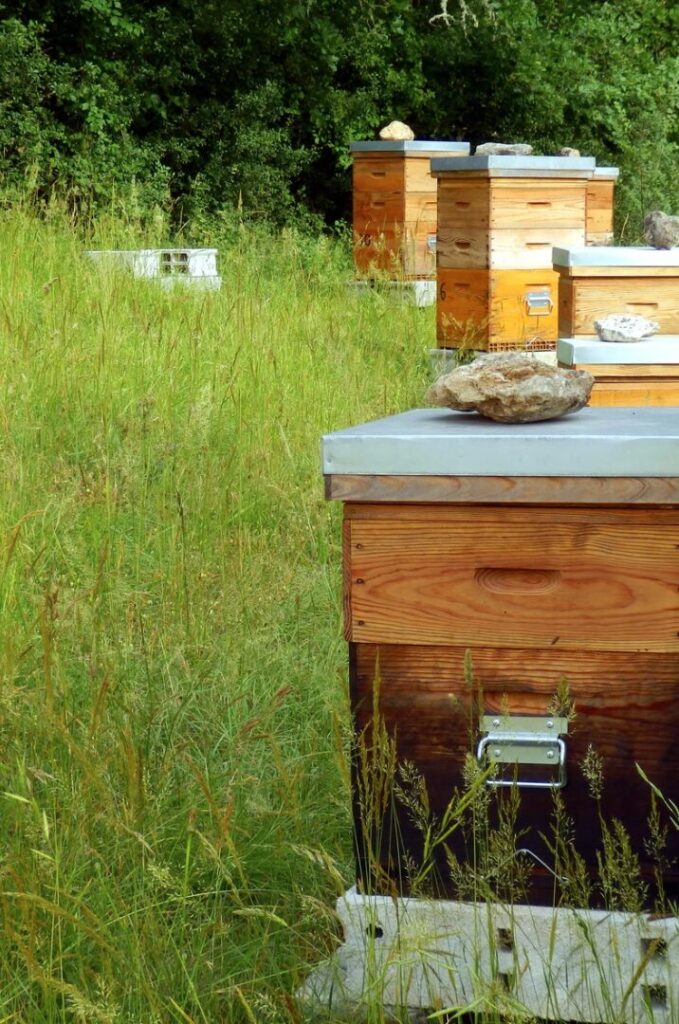
Step-by-Step Guide to a Bee Nature Study
Step 1: Start by Observing Bees Outdoors
Go outside together and look for bees near flowers.
You can:
- Visit a garden
- Watch bees pollinate flowers
- Observe safely from a distance
Ask simple questions:
- “What is the bee doing?”
- “Which flowers does it visit?”
👉 Observation is the foundation of nature study.
Step 2: Learn Basic Bee Vocabulary
Keep explanations simple and visual.
Introduce words like:
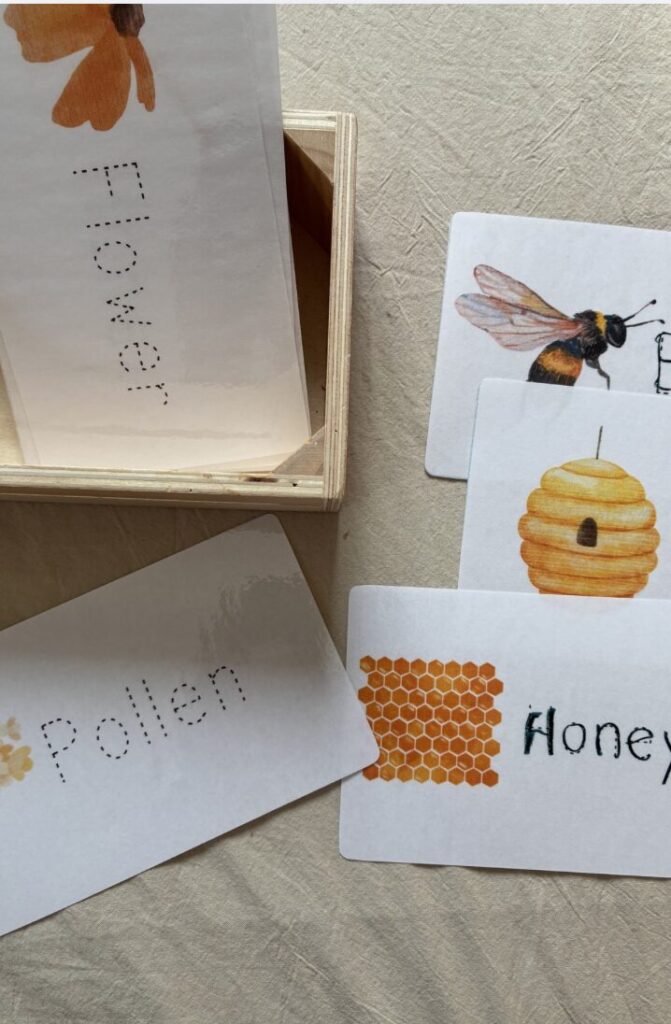
- Hive
- Honeycomb
- Pollination
- Queen bee
- Worker bee
👉 Young children learn best through repetition and visuals.
Step 3: Explore the Bee Life Cycle
Children love learning how living things grow and change.
Teach the 4 basic stages:
- Egg
- Larva
- Pupa
- Adult bee
Simple diagrams and sequencing activities make this much easier to understand
Step 4: Add Hands-On Activities
Nature learning becomes memorable when children interact with the material.
You can try:
👉 Hands-on learning improves focus and retention.
Step 5: Use a Structured Nature Study Bundle
If you want to save time and create a complete learning experience, a printable bee study bundle can help organize everything in one place.
A good bundle can include:
- Bee anatomy
- Life cycle activities
- Posters
- Flashcards
- Worksheets
- Nature journaling pages
👉 This keeps learning consistent, visual, and engaging.
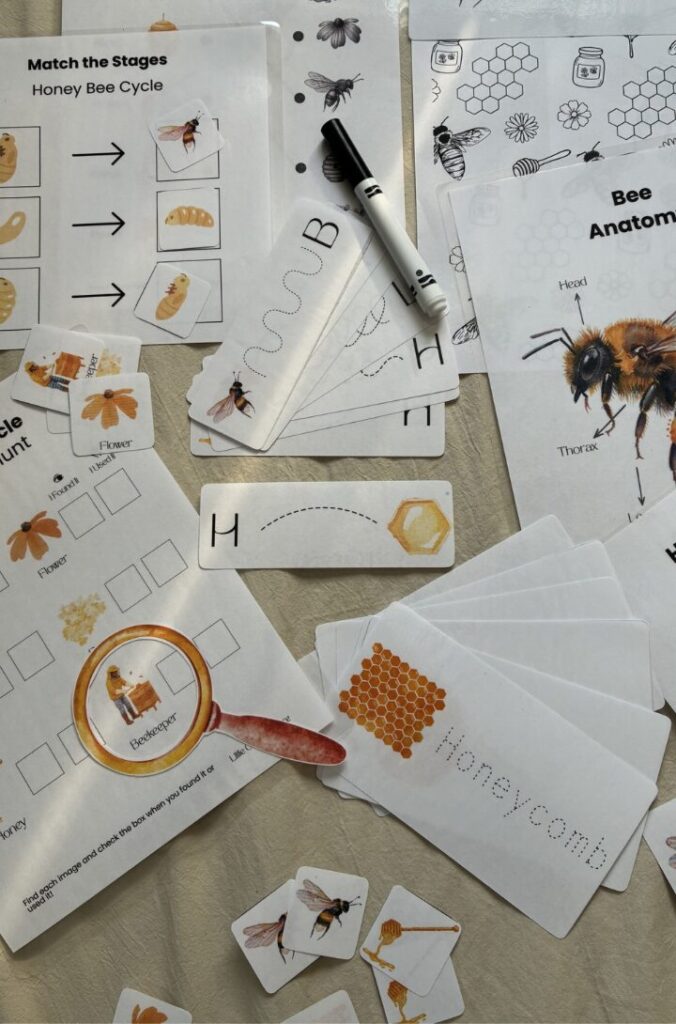
If you’d like a ready-to-use resource, this Honey Bee Nature Study Bundle is designed to make bee learning simple, interactive, and beautiful for young children.
It includes a variety of Montessori-inspired and nature-based activities such as:
- Bee life cycle learning
- Anatomy activities
- Flashcards
- Posters
- Nature study pages
Perfect for:
- Homeschooling
- Preschool learning
- Nature units
- Spring themes
👉 You can explore the bundle here:
Honey Bee Nature Study Bundle
Tips & Mistakes to Avoid
✔️ Tips for Success
- Keep learning playful and simple
- Observe real bees whenever possible
- Repeat concepts regularly
- Let your child ask questions freely
❌ Common Mistakes
- Giving too much information at once
- Turning nature study into formal schoolwork
- Expecting long attention spans
- Forgetting hands-on activities
👉 Young children learn best through curiosity and experience.
FAQ – Bee Nature Study for Kids
At what age can children learn about bees?
Children can start learning about bees around age 2–3 with simple observation and visuals.
Why are bees important to teach?
Bees help pollinate plants and are essential for ecosystems and food production.
How can I make a bee study fun?
Use hands-on activities, observation walks, printables, and nature journals.
What skills does nature study develop?
Observation, vocabulary, scientific thinking, and environmental awareness.
Do I need to homeschool to do nature studies?
Not at all! Nature study works beautifully for any family wanting simple educational activities.
A bee nature study is a wonderful way to help children connect with nature while learning important science concepts in a simple and engaging way.
By combining outdoor observation, hands-on activities, and visual learning tools, you create an experience that feels natural, memorable, and fun.
And sometimes, the smallest creatures can inspire the biggest curiosity.
For more content, click on the next blog post!


Leave a Reply